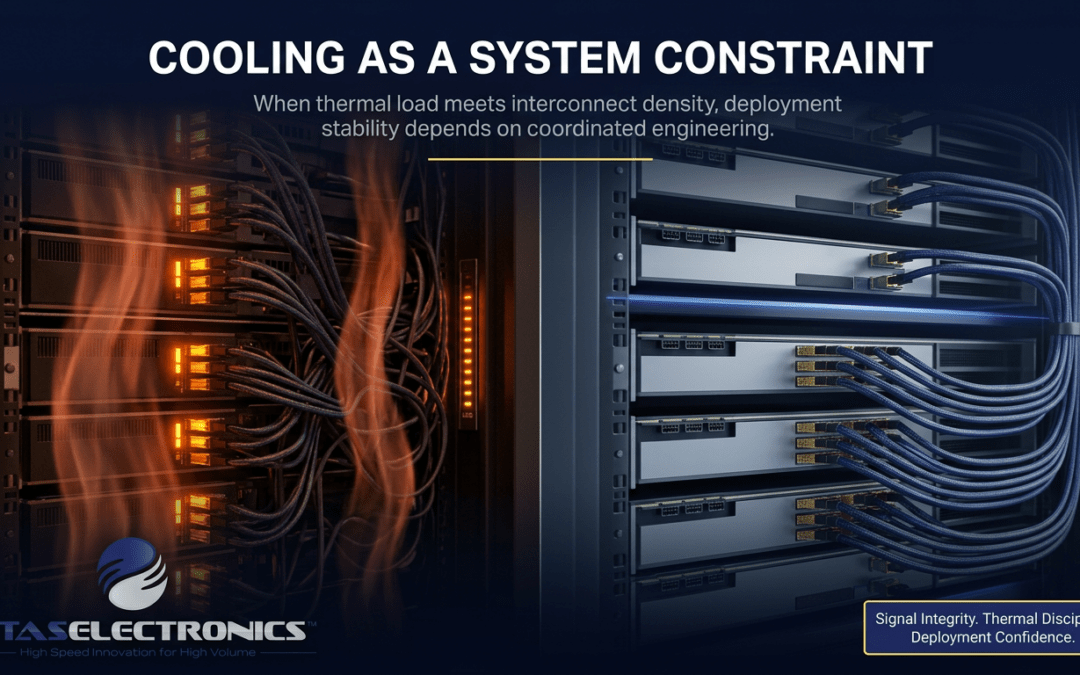
Cooling is one of the first limits you hit as data center density and bandwidth climb. When thermal challenges collide with high-density compute and faster interconnects, system stability risks rising under load. Your cooling strategy must keep pace to protect signal integrity, power efficiency, and uptime. This post pinpoints where thermal constraints threaten high-speed operation—and how disciplined design keeps deployment consistent as demands grow. For more information on data center cooling strategies, you can explore this resource.
Cooling Challenges in High-Density Compute
As data centers evolve, cooling becomes more than just an operational concern; it’s a critical element in maintaining system stability. The increased density of high-speed operations introduces unique thermal challenges.
The Thermal Load Bottleneck
In high-density environments, the first bottleneck often appears as thermal load increases. Each additional piece of hardware adds to this challenge, threatening to overheat systems. To mitigate this, consider how heat impacts overall performance.
-
Heat generation: Every component generates heat during operation. This creates a cumulative effect, leading to potential overheating.
-
Impact on components: Sensitive parts may start to falter under excess heat, risking damage and failure.
-
Importance of monitoring: Regular thermal checks can prevent unexpected downtimes.
Understanding the thermal limits of your systems is key. By keeping a close eye on these factors, you can prevent bottlenecks before they become critical.
Interconnect Performance Under Pressure
As systems heat up, interconnect performance can suffer. Maintaining stable connections is crucial for data integrity, but rising temperatures pose a risk to these vital links.
-
Signal degradation: High temperatures can cause signal loss, impacting data transmission.
-
Components stress: Parts like cables and connectors are vulnerable to thermal stress, potentially leading to failure.
-
Consistent performance: Ensuring your systems operate within safe temperature ranges is essential for maintaining consistency.
Prioritizing thermal management will help secure your interconnect performance, ensuring stable and reliable operations.
The Role of Airflow Management
Effective airflow is vital in keeping systems cool and running efficiently. Without proper airflow, even the best-designed systems can falter.
-
Directed airflow: Strategically placing fans and vents ensures heat is efficiently moved away from sensitive areas.
-
Preventing hotspots: Unmanaged airflow can lead to hotspots, areas where heat accumulates, causing harm to components.
-
Balancing airflow: Maintaining a balanced airflow system prevents uneven cooling, ensuring all parts of the system receive the necessary cooling.
By focusing on airflow management, you can maintain optimal operating conditions and extend the life of your hardware.
Ensuring Signal Integrity and Power Efficiency
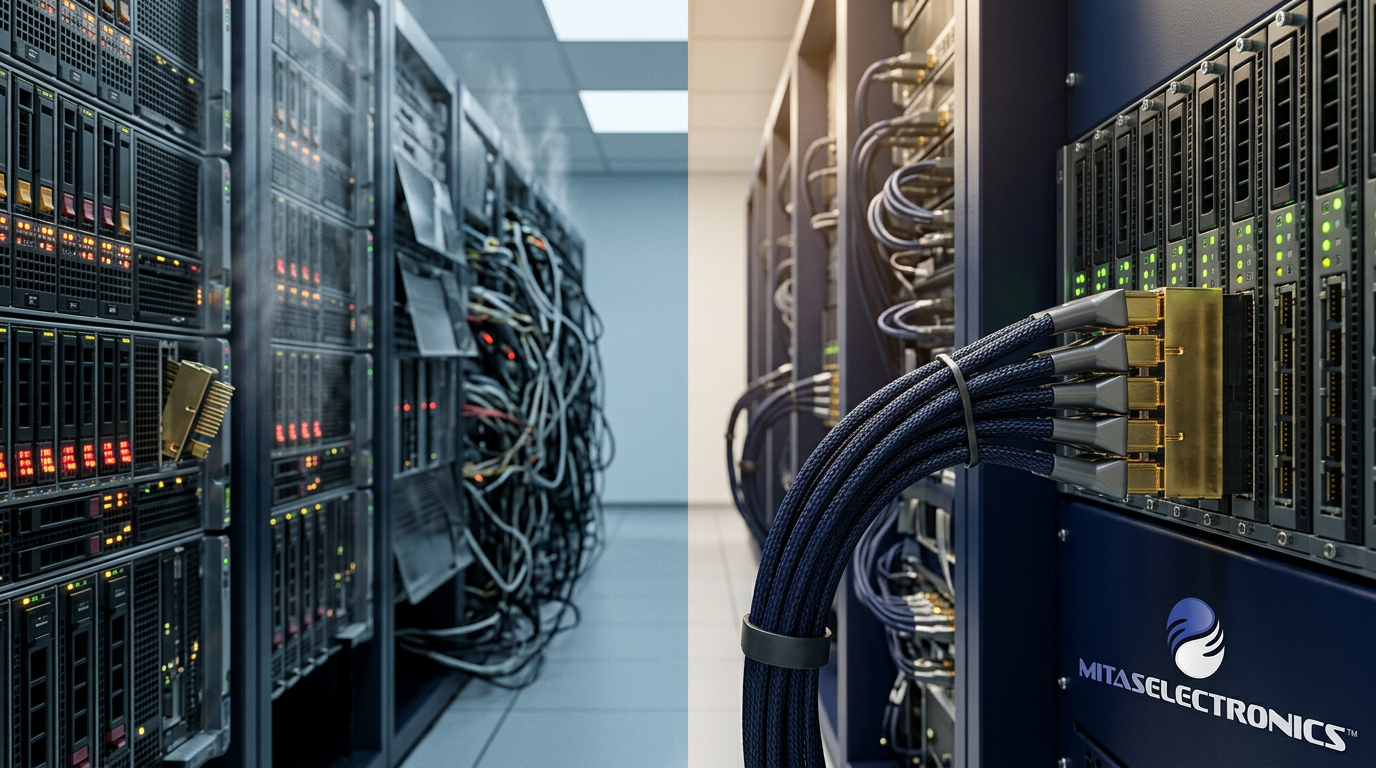
To keep your systems running smoothly, it’s important to ensure both signal integrity and power efficiency. This requires attention to detail in design and execution.
Packaging Thermals and Cable Routing
Proper thermal packaging and cable routing are critical to maintaining system performance. They help prevent thermal interference and signal degradation.
-
Thermal packaging: Effective packaging disperses heat, protecting sensitive components.
-
Cable organization: Neat and organized cable routing reduces thermal interference and signal loss.
-
Material selection: Using materials that resist heat buildup ensures better overall performance.
Focusing on these areas can significantly reduce the risk of thermal issues affecting your systems.
Power Delivery Network Design
A well-designed power delivery network (PDN) is essential for efficient operations. It ensures that power is distributed evenly and prevents overloads.
-
Minimizing resistance: Low-resistance paths prevent power loss and heat buildup.
-
Optimized distribution: Carefully planning power routes prevents overloading and ensures all components receive the necessary power.
-
Regular checks: Routine inspections of your PDN can prevent unexpected issues.
Investing in a robust PDN design helps maintain operational efficiency and system longevity.
SI/PI Co-Design for Stability
Signal integrity (SI) and power integrity (PI) are closely linked. Co-designing for these factors ensures stability and performance.
-
Integrated planning: Design systems with both SI and PI in mind to prevent interference and loss.
-
Regular assessments: Constant monitoring of SI/PI performance ensures stability.
-
Adaptive designs: Implementing adaptive designs can help systems adjust to varying conditions.
Focusing on co-design can significantly enhance your system’s reliability and performance.
Strategies for Uptime and Deployment Consistency
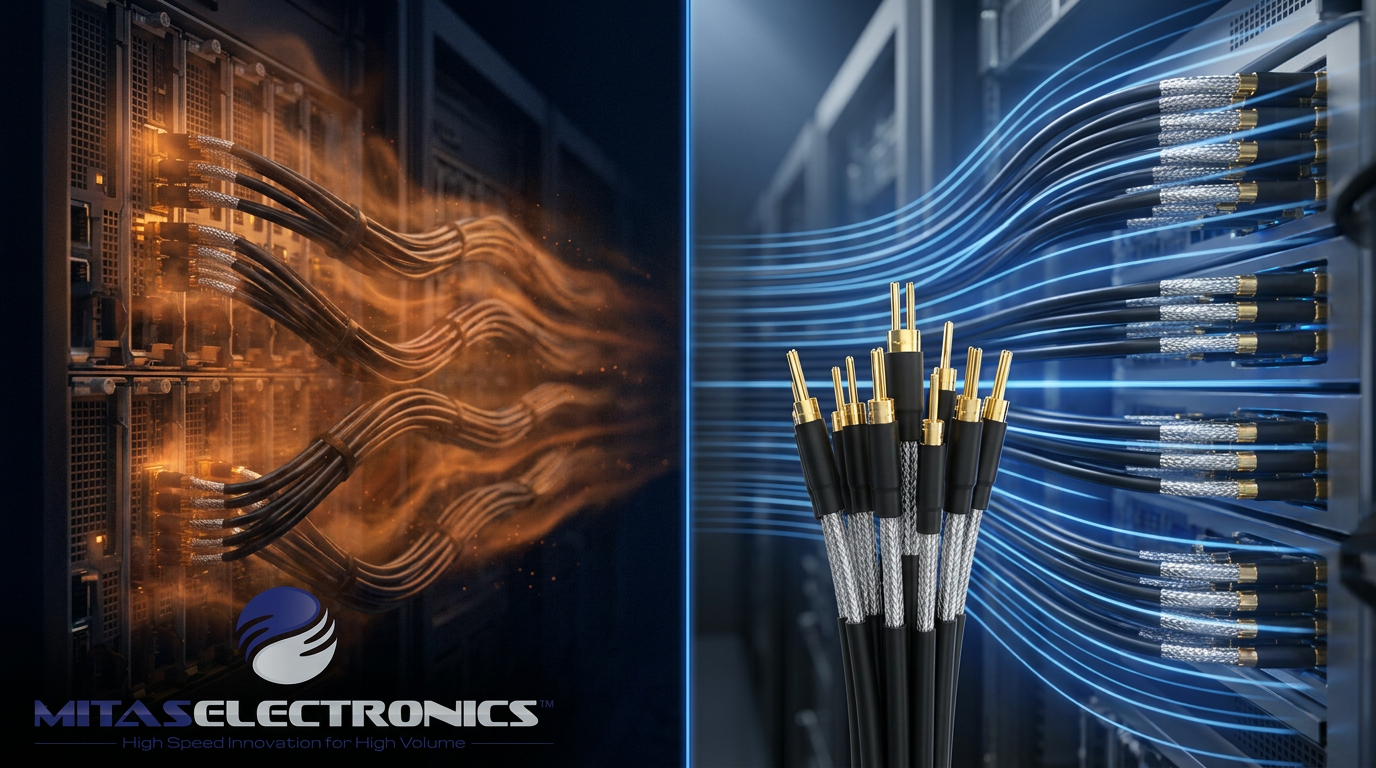
Consistent deployment and uptime are vital for operational success. Implementing effective strategies is key to maintaining these goals.
Thermal Validation and Stress Prevention
Regular thermal validation checks and stress prevention techniques can prevent system failures.
-
Routine checks: Regular thermal assessments help catch potential issues early.
-
Stress testing: Testing systems under various conditions ensures they can handle peak loads.
-
Preventative measures: Implementing measures to reduce stress can prevent failures.
By focusing on validation and stress prevention, you can keep systems running smoothly.
Liquid Cooling and Immersion Solutions
Advanced cooling methods like liquid cooling and immersion offer enhanced thermal management.
-
Efficiency: Liquid cooling is more efficient than traditional methods, improving performance.
-
Reduced noise: These methods often result in quieter operations.
-
Extended lifespan: Better cooling extends the life of components.
Considering advanced cooling solutions can greatly enhance system efficiency and reliability.
Hot Aisle Containment and Rear Door Heat Exchangers
These strategies help manage heat more effectively, ensuring optimal system performance.
-
Containment: Hot aisle containment isolates hot air, preventing it from affecting other components.
-
Heat exchange: Rear door heat exchangers remove heat more efficiently, enhancing cooling capacity.
-
System integration: Integrating these solutions into your systems can enhance overall performance.
Implementing these strategies can help ensure your systems remain operational and efficient. For more insights into thermal management techniques, visit this blog post.