

Prototype success rarely signals full production readiness for AI infrastructure. Signal integrity and manufacturing repeatability face hidden challenges as systems scale beyond the lab. AI data center pollution starts in the interconnect, where variations in sourcing and assembly create risks that emerge only during volume ramps. Understanding these risks is crucial to preserving operational continuity and deployment confidence. This post outlines what your interconnect choices must deliver to move smoothly from prototype validation to production-ready AI hardware scaling. For more insights into the environmental impacts of data centers, you can read about it here.
Prototype Pass: A Misleading Success
The excitement of a successful prototype often leads teams to assume they are ready for mass production. However, early validation doesn’t always account for the complexities of full-scale deployment.
Hidden Risks in Early Validation
Prototype success can mask hidden issues. When your system moves from lab to production, variations in assembly and materials become apparent. For example, a cable assembly might perform well under controlled conditions but fail when exposed to real-world stresses. This type of variability can lead to unexpected downtime and rework, which are costly.
In the early stages, everything might seem operational. Yet, as demand increases and systems scale, small inconsistencies can become major obstacles. Imagine assembling a jigsaw puzzle where each piece fits perfectly during a dry run, only to find in the final assembly that some pieces refuse to connect. This represents the hidden risk.
Interconnect Choices and Deployment
Choosing the right interconnect is crucial for successful deployment. It’s not just about finding a component that fits; it’s about ensuring the interconnect can handle the real-world demands of AI infrastructure. A robust interconnect will maintain signal integrity and handle the stress of repeated use.
Consider deploying cable assemblies that have been rigorously tested under production conditions. This ensures that as your system scales, the interconnect remains reliable. For more on how interconnect variability can impact data centers, visit the Stax Engineering site.
AI Infrastructure Interconnect: The Production Reality
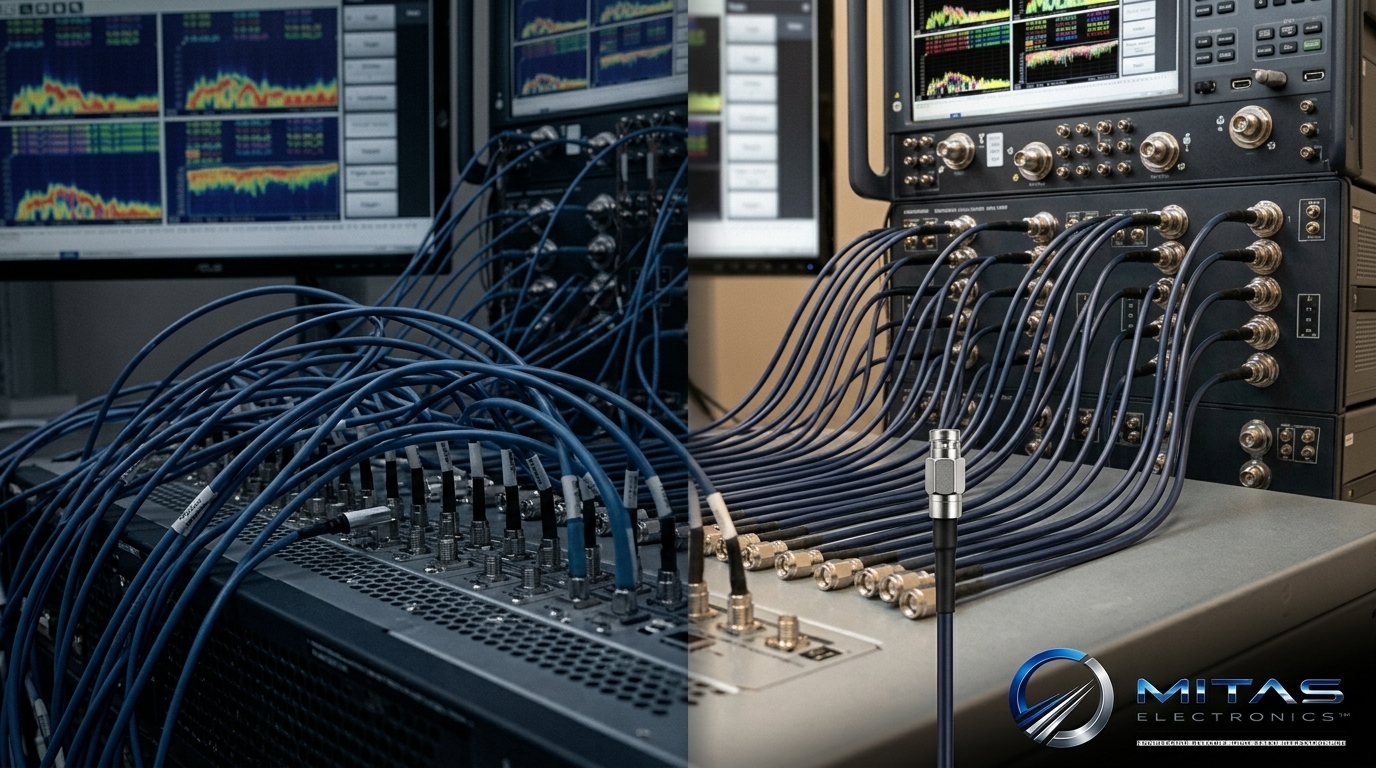
Moving from prototype to full production reveals a harsher reality. This transition tests the limits of signal integrity and manufacturing repeatability.
Signal Integrity and Manufacturing Repeatability
Signal integrity is critical for AI systems. Variations in cable assemblies can lead to signal loss, affecting overall performance. It’s essential to choose interconnects that can withstand the demands of full-scale deployment. This means selecting components that have been tested for both reliability and repeatability. For example, an interconnect used in a prototype might not handle the demands of a high-speed AI data center.
Manufacturing repeatability is equally important. If a process cannot be replicated consistently, the risk of defects increases. By focusing on both signal integrity and manufacturing repeatability, you can ensure that your AI infrastructure will perform reliably at scale. To understand more about signal integrity under production conditions, check out this Deloitte insight.
Ensuring Deployment Continuity
Deployment continuity is about maintaining seamless operation as systems scale. This requires a robust interconnect that can handle fluctuations in demand and environmental changes. By ensuring deployment continuity, you minimize the risk of downtime and maintain the operational efficiency of your AI systems.
Think of it as a relay race where each runner is perfectly in sync. If one falters, the entire race is compromised. Similarly, a reliable interconnect ensures that your system runs smoothly, even as external conditions change. For further reading on the impacts of AI data centers, visit UAB Human Rights.
Building Production Readiness for AI Systems
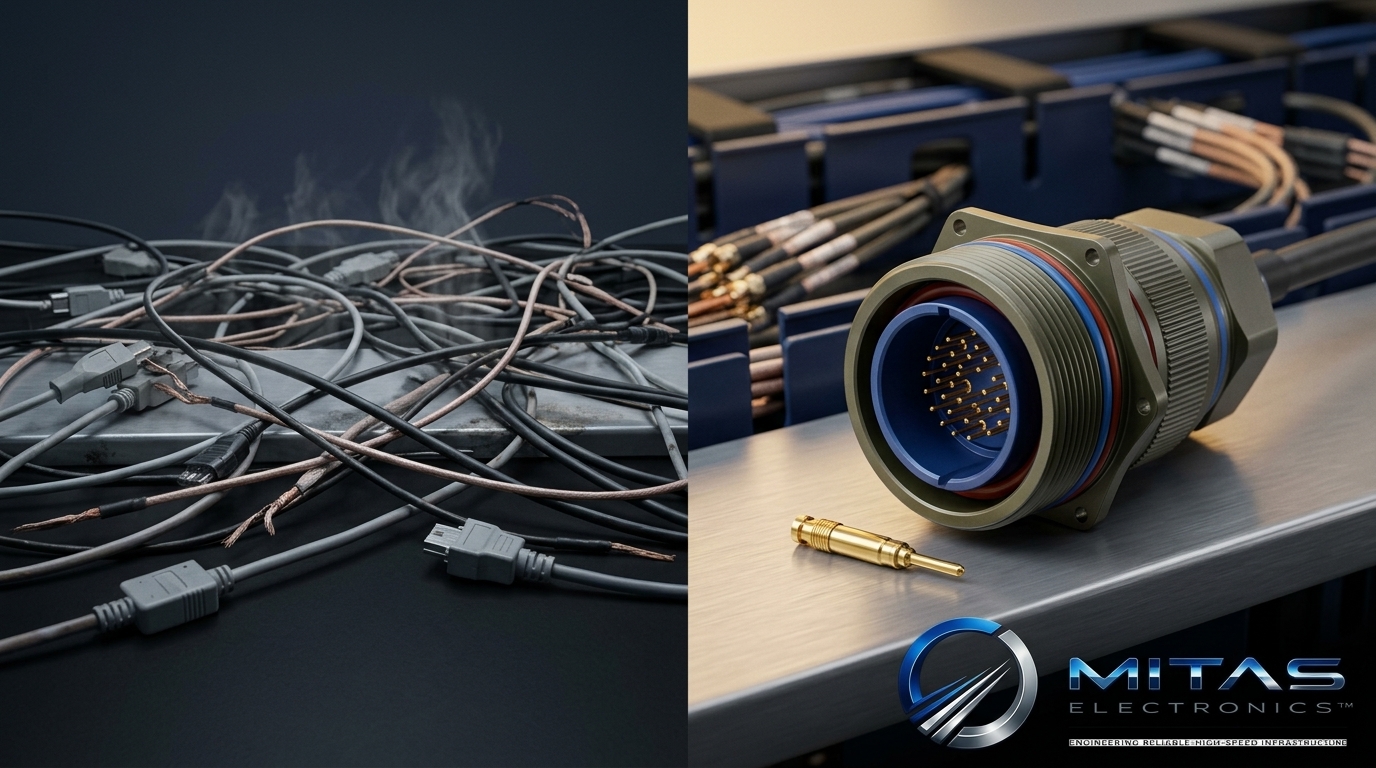
Achieving production readiness involves more than just scaling up. It requires addressing volume ramp risks and ensuring supply chain resilience.
Volume Ramp Risk and Supply Chain Resilience
Volume ramp risk refers to the challenges faced when increasing production volume. As demand grows, the supply chain must adapt. It’s crucial to have a strategy that ensures consistent quality and availability of components. By building supply chain resilience, you protect your system from disruptions and ensure a steady flow of materials.
Consider a scenario where a sudden spike in demand leads to a component shortage. A resilient supply chain will have contingencies in place to manage such spikes without compromising on quality or availability. For more insights on supply chain resilience, visit the World Resources Institute.
Field Application Engineering and Quality Assurance
Field application engineering plays a vital role in production readiness. It involves working closely with manufacturing teams to identify potential risks and address them proactively. Quality assurance ensures that each component meets the highest standards before deployment.
Think of it as a safety net that catches issues before they escalate into major problems. By integrating field application engineering and quality assurance into your production process, you enhance the reliability and performance of your AI systems. For more about field application engineering, you can explore our internal resource.
By addressing these key areas, you pave the way for a smooth transition from prototype to full production, ensuring your AI infrastructure remains robust and reliable.