
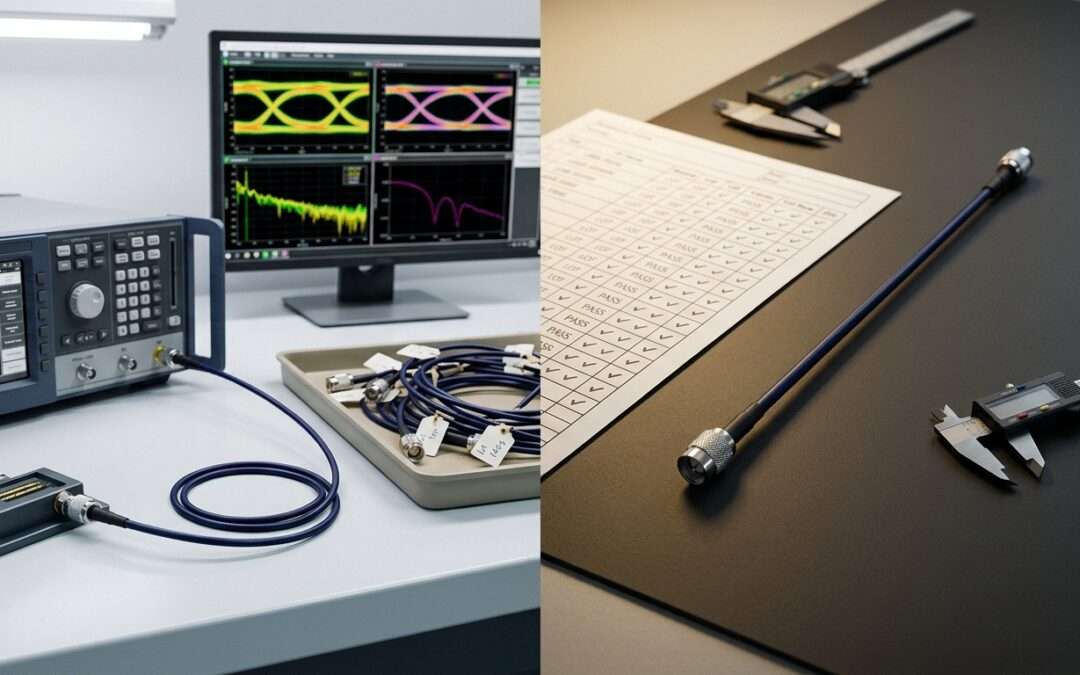
A quick result from a Google speed test might feel like a win, but it only proves one moment, one setup. Your high-speed interconnect’s real challenge begins after validation—when manufacturing repeatability, signal integrity, and supply chain continuity face the demands of full deployment. Understanding why a fast lab test doesn’t guarantee deployment readiness is critical for scaling AI infrastructure and HPC interconnects with confidence. Let’s unpack what comes next beyond that initial speed measurement.
Beyond the Lab: Testing Limits
Fast Tests: Not the Whole Picture
A quick lab test may seem promising, but it’s just a single snapshot in time. While a fast speed test indicates potential, it doesn’t mean your interconnect is ready for real-world challenges. The true test begins when you examine whether it can consistently perform under varying conditions. As you move forward, consider what lies beyond the initial speed measurement.
From Prototype to Production
Transitioning from prototype to full-scale production requires more than a successful lab test. You need to ensure that the interconnect can handle the rigors of manufacturing and deployment. This shift involves a series of critical evaluations to confirm that the system will maintain its integrity and reliability when scaled up.
Critical Checks Post-Lab
Ensuring Manufacturing Repeatability
Ensuring repeatability is crucial for production success. It means your interconnect must be built the same way every time, regardless of production scale. This involves:
-
Consistent Processes: Use standardized procedures to avoid variations.
-
Regular Monitoring: Implement SPC and GR&R to track consistency.
-
Process Capability: Confirm that the system meets Cpk standards to limit lot-to-lot variation.
These steps help maintain quality across all production runs, ensuring that each product functions as intended.
Signal Integrity and Operational Continuity
Signal integrity matters for maintaining high-speed connections. A robust design ensures that your system performs reliably across its lifespan. Key factors include:
-
Impedance Control: Prevents signal distortion.
-
Environmental Testing: Verifies performance under stress.
-
Error Rate Analysis: Assesses BER for reliable data transmission.
By focusing on these areas, you can ensure that your interconnect maintains its performance, reducing the risk of failure during deployment.
Deployment Readiness Essentials
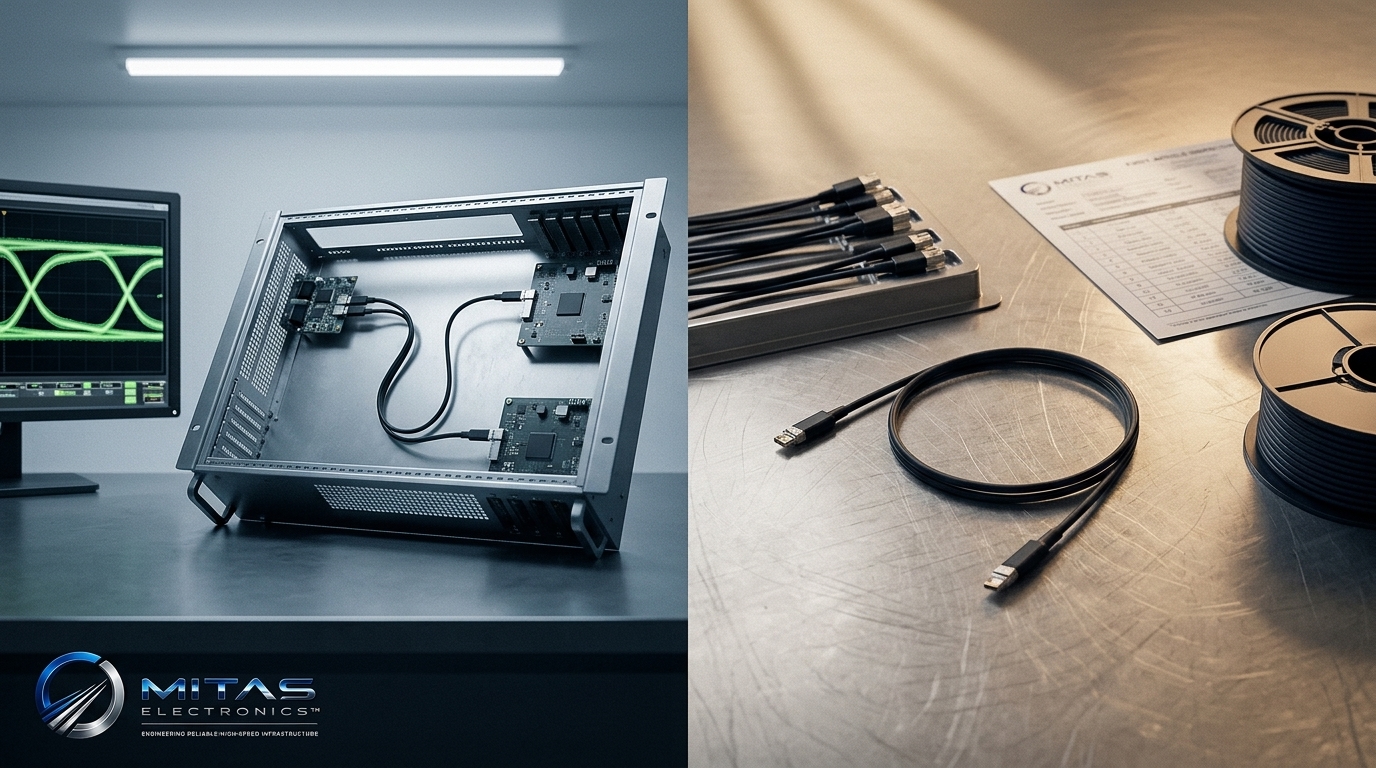
Assessing Production Consistency
Consistency in production is vital for reliable deployment. You must verify that your interconnect can be produced with uniform quality at scale. This involves:
-
Quality Checks: Regular inspections to catch issues early.
-
Volumetric Analysis: Confirm that ramp-up won’t compromise quality.
-
Design for Manufacturability: Ensure designs are efficient to produce.
These steps help secure production stability, reducing unexpected issues as output increases.
Securing Supply Chain Continuity
Supply chain continuity is crucial for uninterrupted production. A stable supply chain ensures that materials and components are available when needed. This requires:
-
Multisourcing: Use multiple suppliers to mitigate risks.
-
Global Partnerships: Foster relationships to maintain supply during disruptions.
-
Lifecycle Planning: Prepare for component changes or obsolescence.
Having a reliable supply chain in place helps avoid production delays, ensuring your interconnects reach the market smoothly.
Frequently Asked Questions
What is the role of signal integrity in production?
Signal integrity ensures that the interconnect transmits data accurately and reliably. Maintaining impedance control and performing environmental tests are key to preserving this integrity.
Why is manufacturing repeatability important?
Manufacturing repeatability ensures that each product is made to the same standard, reducing defects and ensuring consistent performance across all units.
How can I secure supply chain continuity?
You can secure supply chain continuity by using multisourcing strategies, building global partnerships, and planning for lifecycle changes to minimize disruptions.
What does assessing production consistency involve?
It involves implementing quality checks, conducting volumetric analyses, and ensuring designs are optimized for efficient manufacturing to maintain consistent quality.
Why doesn’t a fast lab test guarantee deployment readiness?
A fast lab test only shows performance in a controlled setting. It doesn’t account for variables like manufacturing repeatability, signal integrity, and supply chain continuity, which are crucial for real-world deployment.