
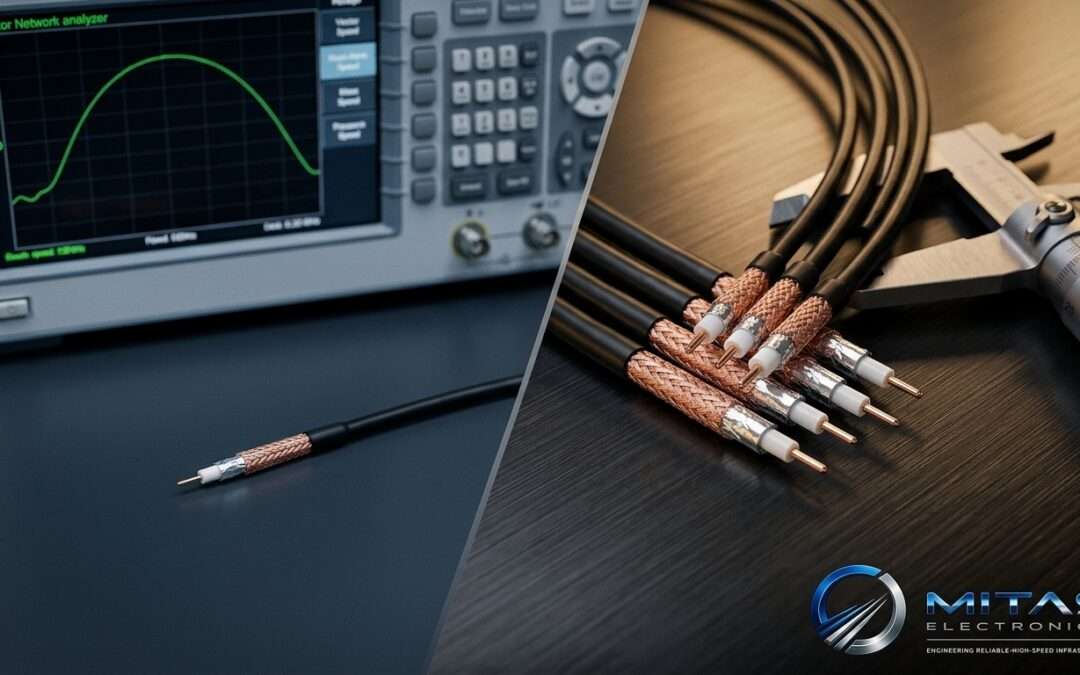
A fast Ookla speed test result feels like a win, but it only tells part of the story. Your interconnect might show strong numbers in the lab, yet struggle when production scales hit real-world variables like manufacturing tolerances and deployment stresses. The true challenge is ensuring that performance holds steady across volume, continuity, and signal integrity as your system moves from prototype to production. Let’s explore why that first speed reading is just the starting point. Learn more about the implications of speed test results.
Beyond the Speed Test
Understanding Prototype Validation
Speed tests make you feel like you’ve struck gold with your interconnect. But they are just the beginning. When you move from a prototype to production, you need more than just a fast reading. It’s about ensuring long-term performance.
In the lab, conditions are controlled. Your prototype shines, but the real test is maintaining that performance when manufacturing challenges come into play. The transition from prototype validation to full-scale production requires a keen eye on signal integrity, manufacturing repeatability, and deployment continuity. These are the real indicators of whether your interconnect can handle the demands of the real world.
Limitations of a Speed Test
A speed test is like a snapshot. It captures a moment in time but doesn’t tell the whole story. When your interconnect shows stellar results in the lab, it’s easy to assume you’ve got a winner. But these tests don’t account for variables like manufacturing tolerances, environmental stresses, or deployment conditions.
The key is to look beyond the numbers. While a speed test measures how fast data can travel, it doesn’t measure how well the interconnect will perform under different circumstances. For instance, in production, issues like signal integrity and bit error rates become critical. Remember, a single great test result doesn’t guarantee consistent performance in the field.
Identifying True Performance Indicators
True performance indicators go beyond speed. They include signal integrity, bit error rate (BER), and eye diagram testing. These metrics show you how well your interconnect maintains quality over time and across different situations. For instance, a low BER means fewer errors in data transmission, which is crucial for high-speed applications.
Eye diagram testing provides a visual representation of signal clarity. A clearer eye pattern means better signal transmission. These indicators are essential for ensuring your interconnect can handle real-world conditions. They help you predict how your system will perform under stress, making them vital for moving from prototype to production.
Moving from Prototype to Production
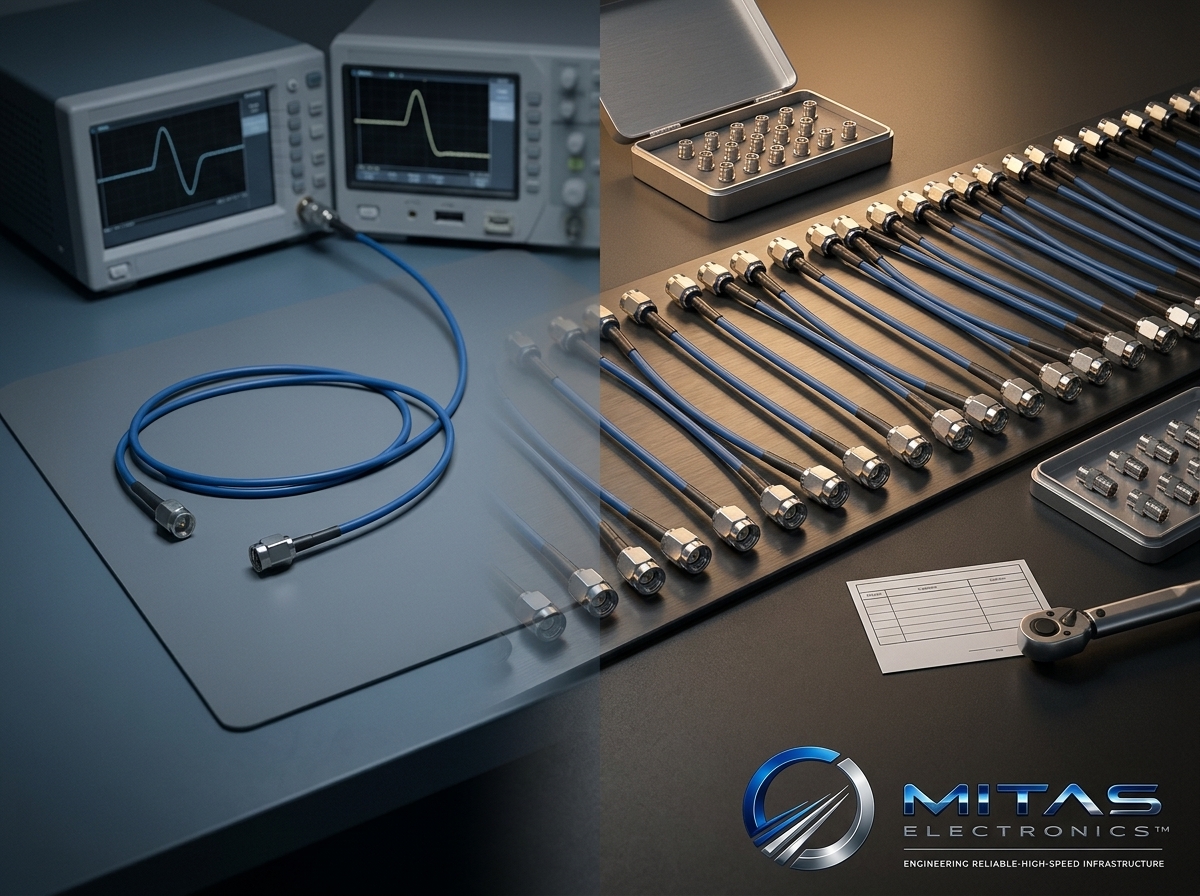
Ensuring Signal Integrity
Signal integrity is paramount. It ensures that your interconnect maintains high-quality data transmission. As you move from prototype to production, maintaining this integrity becomes more challenging. Factors like electromagnetic interference (EMI) and impedance mismatches can degrade signal quality.
To combat this, focus on EMI/EMC compliance and impedance control. These technical measures help preserve signal clarity, even in complex environments. It’s not just about getting a fast speed test; it’s about ensuring your interconnect can deliver consistent performance, even when the going gets tough.
Manufacturing Repeatability Challenges
Manufacturing repeatability is the ability to produce the same high-quality interconnects consistently. It’s one thing to build a great prototype; it’s another to replicate it thousands of times. Variations in manufacturing can lead to inconsistencies in performance.
To achieve repeatability, focus on strict manufacturing tolerances and quality control measures. These practices ensure that each interconnect meets the same high standards. By prioritizing repeatability, you minimize the risk of performance issues in production, ensuring your interconnects deliver reliable results every time.
Deployment Continuity Considerations
Deployment continuity ensures your interconnects perform well long after installation. This involves managing factors like environmental conditions and mechanical stresses. If your interconnects can’t withstand these challenges, performance will degrade over time.
Focus on robust material selection and design-for-manufacturability (DFM) principles. These strategies help your interconnects maintain their performance, even in harsh conditions. By considering deployment continuity early on, you reduce the risk of unexpected performance drops, ensuring reliable operation throughout the product’s lifecycle.
Achieving Production Readiness

Interconnect Validation Essentials
Validation is crucial for production readiness. It involves comprehensive testing to ensure your interconnects meet all performance criteria. This goes beyond speed tests to include detailed assessments of parameters like insertion loss and return loss.
These metrics provide insights into how well your interconnects maintain signal quality over distance. Thorough validation helps you identify and address potential issues before production, ensuring your interconnects are truly ready for deployment.
Volume Ramp and Supply Chain Readiness
When scaling production, supply chain readiness becomes vital. You need to ensure that your suppliers can deliver the necessary components on time. This requires robust supply chain management and contingency planning.
Volume ramp readiness means being prepared to scale production without sacrificing quality. This involves coordinating with suppliers, optimizing manufacturing processes, and ensuring you have the capacity to meet increased demand.
Partnering for AI and HPC Success
Partnering with experts can streamline your path to success. Specialized partners bring valuable insights and resources that enhance your production capabilities. They can help you navigate complex challenges and optimize your interconnects for specific applications.
For AI and HPC applications, choosing the right partner is crucial. They provide the expertise needed to ensure your interconnects meet the demanding requirements of these advanced systems. By partnering strategically, you enhance your production readiness and position your products for success in high-performance environments.
Frequently Asked Questions
What is a speed test in networking?
A speed test measures how quickly data is transferred between your device and the internet. It provides insights into your network’s upload and download speeds but doesn’t account for other performance factors like signal integrity.
How does signal integrity affect production performance?
Signal integrity ensures that data is transmitted accurately without errors. Poor signal integrity can lead to data loss and reduced performance, especially in high-speed applications.
Why is manufacturing repeatability important?
Manufacturing repeatability ensures that each product meets the same quality standards. Consistent manufacturing processes reduce variability, ensuring reliable performance across all units.