

AI’s thirst for water is not a fixed number—it depends on how much high-density compute you’re running and how your infrastructure handles its cooling demands. When utilization climbs, water usage becomes a critical factor that can limit your system’s ability to scale smoothly. Understanding AI water usage means looking beyond simple metrics and into how workload mix, facility design, and cooling architecture shape your operational footprint. This clarity lets you plan infrastructure that supports growth without unexpected bottlenecks. Explore more about AI and water consumption.
Understanding AI Water Usage
AI systems rely on a robust infrastructure, and water consumption plays a key role in their operation. To manage this effectively, you must first understand the factors that influence data center water usage.
Factors Influencing Data Center Water Consumption
The amount of water a data center uses can vary greatly. It’s not just about the size of the facility or the climate it’s in. Water usage is primarily driven by the mix of workloads you are running. For instance, high-performance computing tasks often require more cooling, which in turn increases water usage. Another major factor is the design of the facility. Modern data centers often incorporate cutting-edge cooling systems that are more water-efficient. Additionally, the local water supply and regulatory environment can also influence water consumption.
Efficiency in water usage is not only about the cooling technology but also about the cooling architecture employed. Some data centers use air cooling, while others rely on liquid cooling. Each system has its own set of benefits and drawbacks. Air cooling might use less water but could be less effective for high-density compute environments. Liquid cooling, while more water-intensive, often provides more precise temperature control.
Role of WUE and PUE Metrics
Water Usage Effectiveness (WUE) and Power Usage Effectiveness (PUE) are critical metrics for assessing data center efficiency. WUE measures the water consumption per unit of energy used, while PUE indicates how efficiently a data center uses energy. The lower these numbers, the better your infrastructure is performing in terms of sustainability.
By closely monitoring these metrics, you can gain insight into where improvements can be made. For example, if your WUE is high, it might signal the need for more efficient cooling technologies or a reevaluation of your current water management practices. Similarly, a high PUE indicates potential inefficiencies in energy usage, which could be addressed by optimizing hardware and facility operations.
AI Power and Cooling Demands
AI workloads demand a significant amount of power, which in turn increases the cooling needs. This is where the challenge of managing both power and cooling becomes apparent. High-density compute tasks generate a lot of heat, necessitating efficient cooling solutions.
In many cases, traditional cooling methods may not suffice, especially as AI systems scale. This is why understanding the specific power and cooling demands of your AI infrastructure is crucial for effective planning. Not only does it help in selecting the right cooling technologies, but it also aids in forecasting future resource needs as your AI capabilities grow.
Cooling Strategies for AI Infrastructure
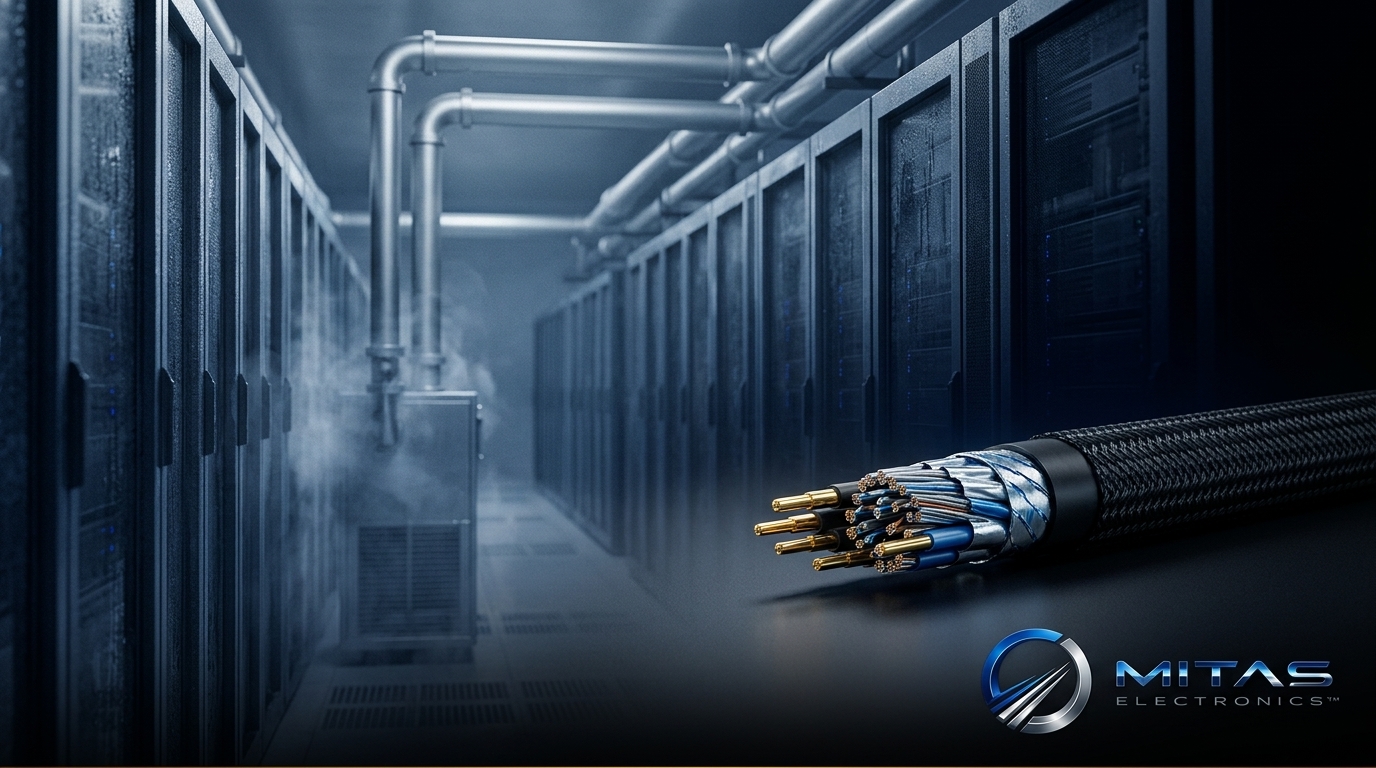
As AI systems grow, so does the need for effective cooling strategies. Let’s explore the various methods available to keep your systems running efficiently.
Air Cooling vs Liquid Cooling
Choosing between air and liquid cooling often depends on your specific needs and constraints. Air cooling is more straightforward and generally less expensive to implement. However, it may not be sufficient for very high-density computing environments that generate excessive heat. On the other hand, liquid cooling involves circulating coolant to absorb heat, which is then dissipated outside the data center. This method can be more effective at maintaining consistent temperatures and is often used in high-performance computing facilities.
Liquid cooling can be more costly upfront, but it often results in lower operational costs due to its efficiency. The choice between air and liquid cooling should be guided by your specific compute density and budgetary constraints. Consider factors such as the cost of water, the need for precise temperature control, and the long-term sustainability of each option.
High-Density Compute Cooling Solutions
Managing high-density compute environments requires specialized cooling solutions. These setups often rely on advanced thermal management systems. One option is immersion cooling, where components are submerged in a thermally conductive liquid. This method provides direct cooling and can be highly efficient.
Another solution is rack-based cooling, which integrates cooling mechanisms directly within server racks. This approach allows for targeted cooling and can be more efficient than room-based solutions. Each strategy has its advantages and limitations, making it important to assess your specific needs and resources before implementation.
Thermal Design for AI Servers
Effective thermal design is critical for maintaining system performance and longevity. AI servers generate significant heat, and improper management can lead to system failures and increased operational costs. To address this, many organizations are turning to specialized thermal management tools.
These tools include advanced heat sinks, thermal pastes, and dynamic cooling systems. Such components work together to dissipate heat efficiently and maintain optimal operating temperatures. A well-thought-out thermal management strategy not only protects your hardware but also enhances its performance by reducing the thermal throttling that can occur at high temperatures.
Planning for Sustainable AI Growth
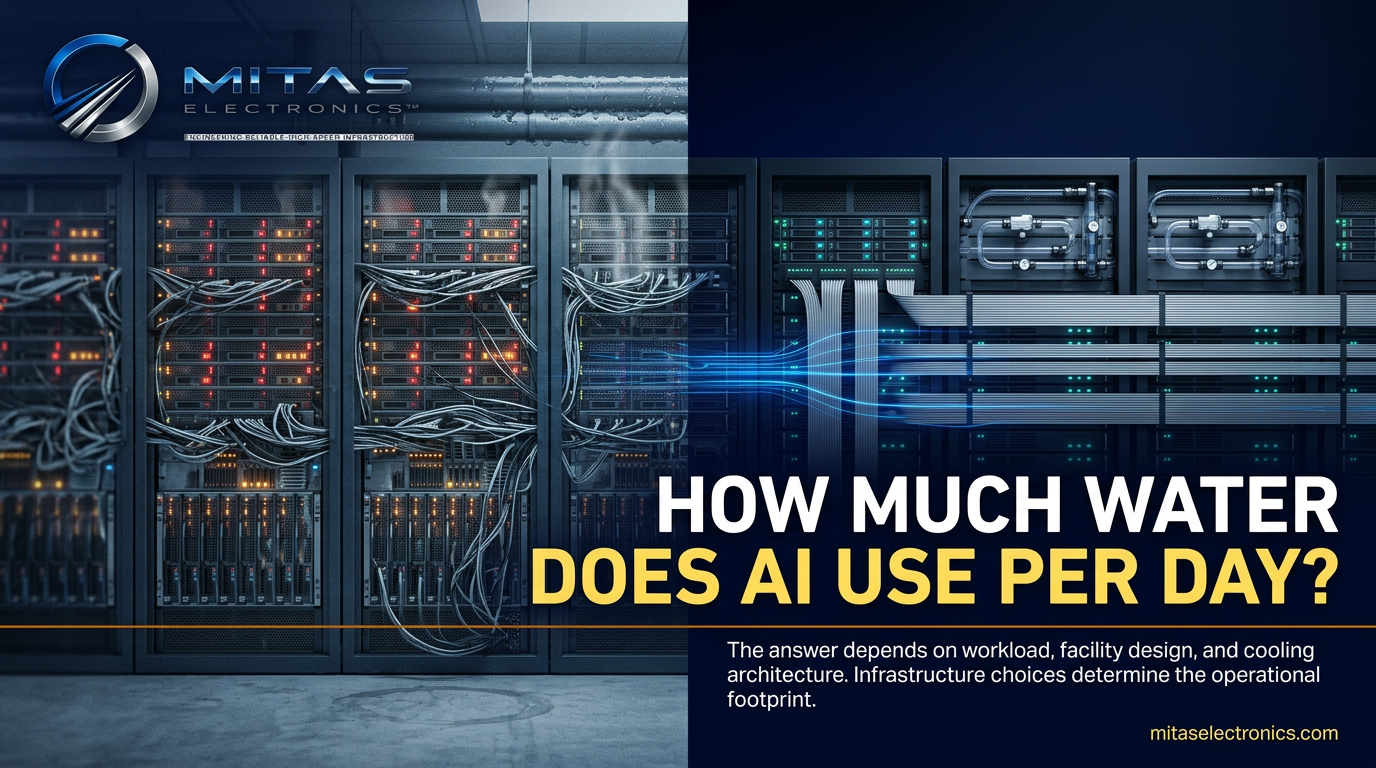
Sustainable growth in AI requires a careful balance of resources. Here, we discuss how to manage AI’s resource footprint and plan for future expansion.
Managing the Resource Footprint of AI
AI systems consume a lot of resources, from electricity to water. To manage this footprint effectively, you need to consider both immediate and long-term demands. This involves not only improving efficiency but also planning for scalability.
One strategy is to adopt modular infrastructure that can be easily expanded as needed. This approach allows you to add capacity without overhauling your entire system. Additionally, exploring renewable energy sources can reduce your reliance on traditional power sources, contributing to overall sustainability.
Interconnect Power Efficiency and Signal Integrity
The efficiency of your interconnect systems plays a significant role in overall performance. Power efficiency and signal integrity are critical components that must be addressed to ensure reliable data transfer across your infrastructure. Poor signal integrity can lead to data loss and increased error rates, which can severely impact system performance.
Implementing advanced interconnect technologies can help mitigate these risks. These technologies are designed to minimize power loss and maintain signal clarity, even over long distances. By focusing on both power efficiency and signal integrity, you can improve system reliability and performance.
From Prototype to Production Deployment
Moving from prototype to production is a significant step in AI infrastructure development. This transition requires careful planning to ensure scalability and efficiency. One of the key aspects is ensuring that your systems are production-ready. This involves rigorous testing and validation to identify potential bottlenecks before full deployment.
Additionally, it’s crucial to have a scalable deployment strategy in place. This includes not only the physical infrastructure but also the software and processes needed to support growth. Implementing a solid deployment plan can help you avoid costly delays and ensure that your systems are ready to meet future demands.
In conclusion, understanding and managing your AI infrastructure’s water usage is not just about addressing immediate needs. It’s about planning for sustainable growth and ensuring that your systems are prepared to handle increased demands. By focusing on cooling strategies, resource management, and efficient deployment, you can build a robust and scalable AI infrastructure. For more insights, check out our detailed discussion on Data Center Cooling Solutions.