
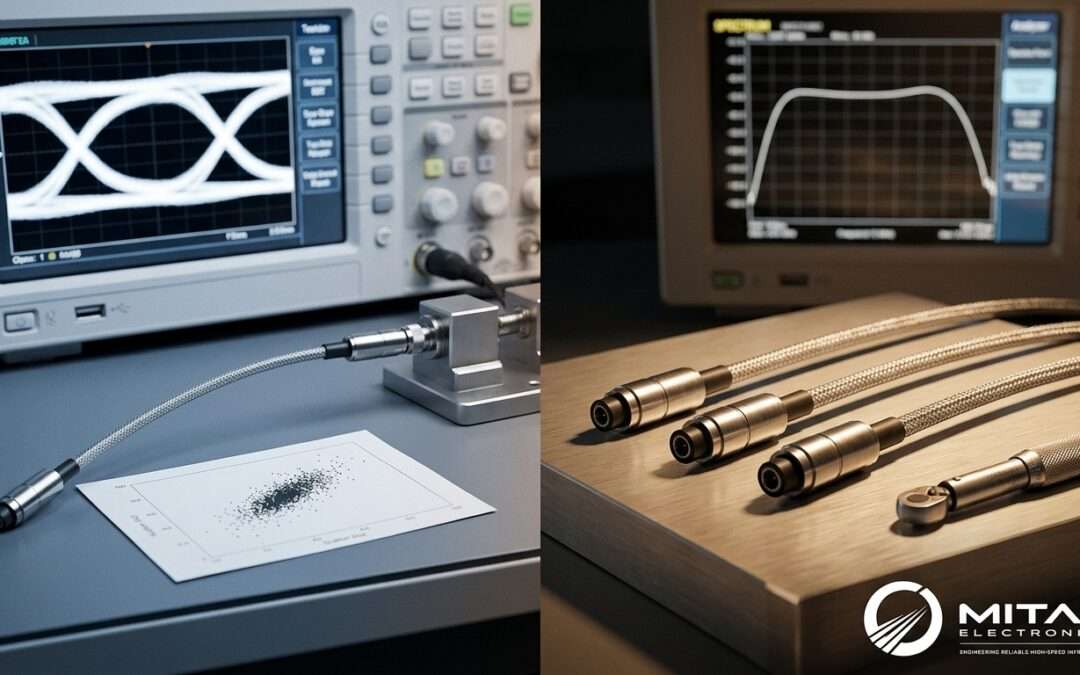
Most teams treat a clean spectrum speed test result as a green light for production. You might expect that a single successful pass means your high-speed interconnect design is ready to scale. But that number alone rarely tells the full story. The real question is whether your interconnect can maintain signal integrity, manufacturing consistency, and performance repeatability once production begins. Let’s unpack what a spectrum speed test truly reveals about deployment readiness—and what it leaves out.
Understanding Spectrum Speed Tests
You might think a clean spectrum speed test confirms readiness for production. But there’s more to consider beyond that initial result. Achieving consistent performance requires deeper evaluation.
Common Assumptions and Misconceptions
It’s common to assume that a successful test means an interconnect is ready for mass production. In reality, this is just one part of the puzzle. You need to ensure that your system can handle real-world conditions repeatedly. A single test pass might not account for variations in signal integrity or manufacturing defects. For instance, a clean test might overlook issues like termination inconsistencies or assembly errors that appear at scale.
Many people also believe that once a speed test confirms high performance, the interconnect is good to go. But this overlooks potential pitfalls during full-scale deployment. Speed tests do not always reveal whether manufacturing processes can maintain the same quality. It’s crucial to verify that your system performs consistently, not just in one-off tests but across multiple replications.
Beyond a One-Time Pass
A spectrum speed test doesn’t automatically equate to readiness. Such tests often miss factors impacting production consistency. For example, they might not highlight how minor build quality variations can affect signal integrity. In practice, minor differences in assembly can lead to significant performance shifts.
Even with a successful test, you must consider how your interconnect will perform under different manufacturing conditions. Factors such as connector termination consistency or process capability metrics like Cp and Cpk play vital roles in maintaining quality. Addressing these concerns ensures your interconnects can withstand the demands of real-world deployment.
Evaluating Production Readiness
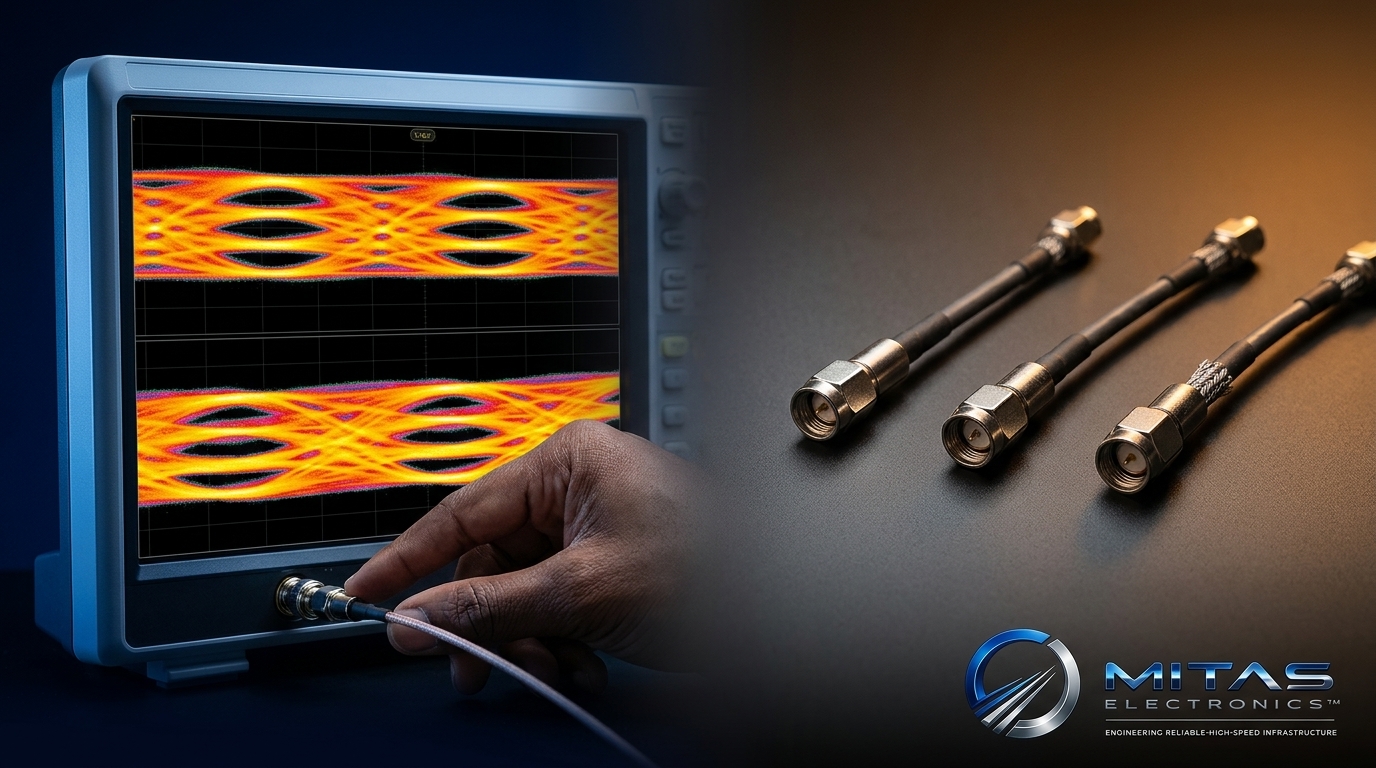
A clean speed test is just the beginning. Evaluating production readiness means looking at repeatability and signal integrity.
Repeatability and Signal Integrity Concerns
Ensuring repeatability is vital before scaling production. You might find that initial test passes didn’t capture all variables affecting signal integrity. Even minor inconsistencies in assembly can lead to significant degradation in performance. For example, small shifts in insertion loss or return loss can alter the interconnect’s effectiveness.
Signal integrity issues often arise when transitioning from prototypes to production. Tests that look at eye diagrams and BER testing are essential. These tests provide a clearer picture of how your interconnect will hold up under production conditions. Without addressing these, you risk significant performance drops.
Addressing Build Quality and Consistency
Production readiness also means ensuring consistent build quality. Variations in manufacturing can impact signal integrity and overall performance. It’s crucial to establish robust quality control measures. This includes evaluating DFM for interconnects and refining manufacturing processes.
By focusing on consistency, you minimize the risks of defects that can arise during production. Ensuring every unit meets the same standards is key to maintaining performance. This approach helps mitigate risks associated with mass production, ensuring that each interconnect functions as intended.
Moving from Lab to Production
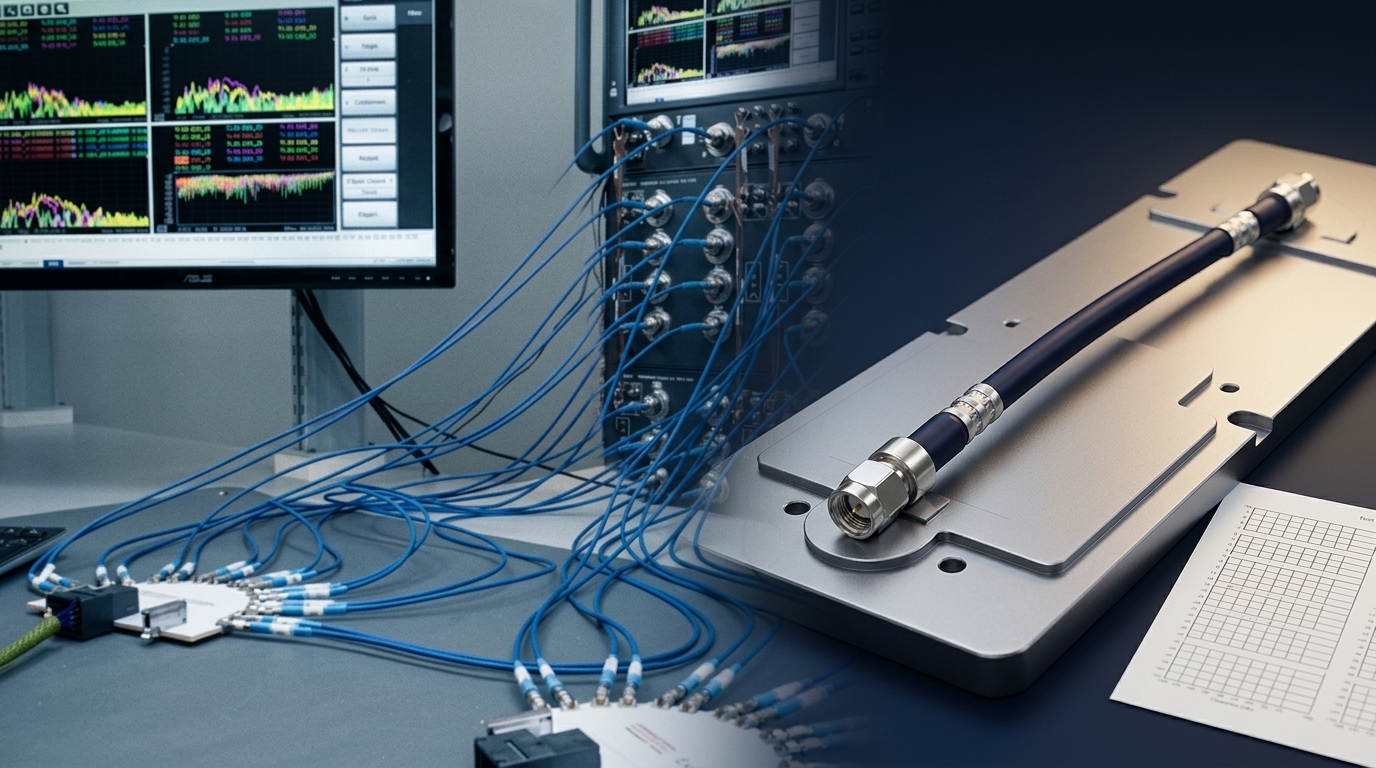
Transitioning from lab validation to full-scale production involves ensuring manufacturing repeatability and implementing effective strategies.
Ensuring Manufacturing Repeatability
Manufacturing repeatability is crucial for a successful move to production. Set processes must ensure each unit is produced to the same high standards. This involves using consistent materials and methods throughout production. Without these, the risk of defects increases, leading to potential performance issues.
Repeatability also means focusing on supply chain continuity. Ensuring that components are consistently available reduces disruptions. This strategic approach minimizes risks associated with production delays and quality variations.
Prototype to Production Transition Strategies
Transitioning from prototype to production requires careful planning. One strategy is to implement field application engineering support early. This helps align design intent with manufacturing capabilities. It’s about bridging the gap between initial success and sustainable production.
Another key strategy involves conducting thorough testing at each stage of production. This ensures that any issues can be identified and addressed. By maintaining rigorous standards, you enhance your system’s reliability. This approach not only supports production readiness but also builds confidence in your interconnect infrastructure.
Frequently Asked Questions
What is a spectrum speed test?
A spectrum speed test measures the performance of a network. It provides an initial assessment of speed but doesn’t account for consistency or production readiness.
Why doesn’t a clean spectrum speed test guarantee production readiness?
A clean test result might not reveal issues with manufacturing repeatability or signal integrity under real-world conditions. It’s crucial to ensure these aspects are addressed for reliable production.
How can I ensure my interconnects are production-ready?
Focus on manufacturing repeatability, signal integrity, and consistent quality control. Implement strategies like field application engineering to align design with production capabilities.
What role does signal integrity play in production readiness?
Signal integrity ensures that the interconnect functions as intended across different conditions. It involves maintaining performance metrics like insertion loss and return loss.
How can I bridge the gap between prototype and production?
Use strategies like thorough testing, quality control, and field application engineering support. This helps transition from initial success to sustainable deployment.