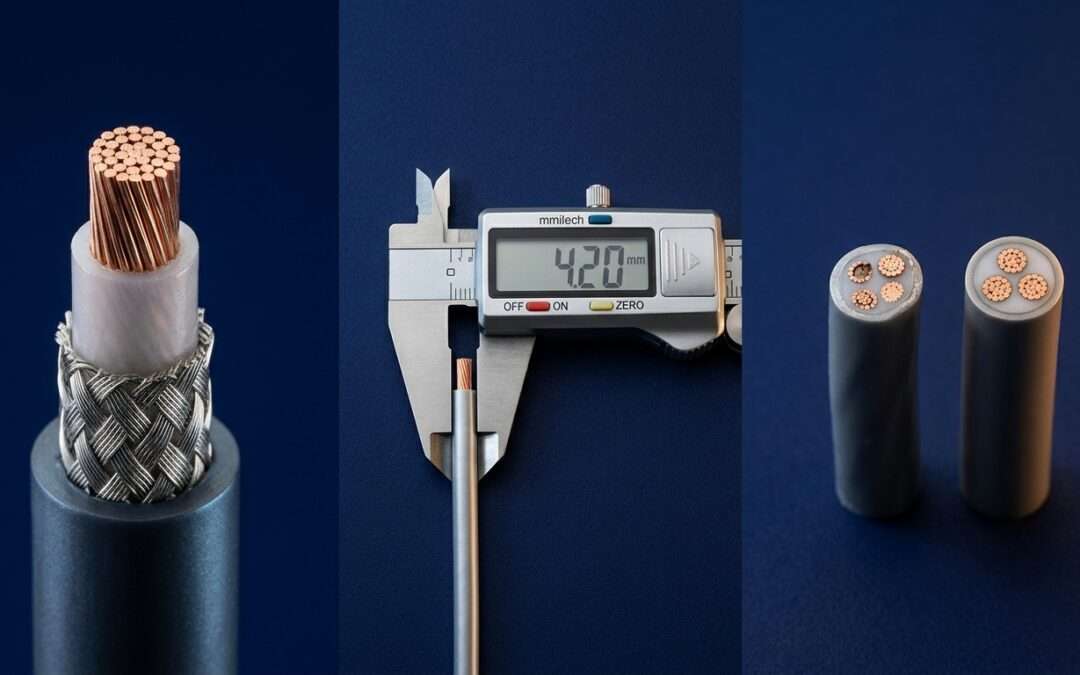
Speed of sound in cables often gets tossed around as a quick measure of signal speed. Yet, your interconnect’s true performance depends on more than a single number. Small variations in geometry and build consistency directly affect timing, signal propagation delay, and deployment readiness. Let’s look beyond theory to understand how these physical details shape repeatable, production-ready high-speed interconnect performance. For more insights, you can explore this resource.
High-Speed Interconnects: Core Concepts
Understanding high-speed interconnects involves more than just speed metrics. Here’s where we explore the foundational concepts.
Defining Speed of Sound in Cables
The speed of sound in cables often serves as a quick reference for signal speed. But what does this really mean for your systems? In essence, it’s the propagation velocity that tells you how fast a signal travels through a cable. While it seems straightforward, relying solely on this can be misleading. It’s essential to consider how this interacts with real-world applications. For instance, the velocity factor is influenced by the cable’s dielectric constant. This factor is crucial as it affects how signals propagate, which is why it’s important to select cables with the right properties for your specific needs.
Signal Propagation Delay Explained
Signal propagation delay indicates the time taken for a signal to travel from one point to another. This delay is not just about speed; it impacts how well your system functions in real time. The delay can alter timing budgets and skew, which are pivotal when synchronizing signals across high-speed interconnects. The longer the delay, the more adjustments you need for precise timing. This underlines the importance of factoring in signal propagation delay during the design phase.
Geometry’s Role in Performance
Geometry plays a pivotal role in how a cable performs. The physical layout of a cable can significantly impact its ability to transmit signals effectively. For instance, twinax cable assemblies are known for their geometry-controlled performance, offering superior signal integrity. Small changes in cable geometry can lead to variations in impedance, affecting the overall performance. This is why understanding the relationship between cable geometry and signal behavior is necessary for engineers aiming for deployment-ready systems.
From Prototype to Production: Key Considerations
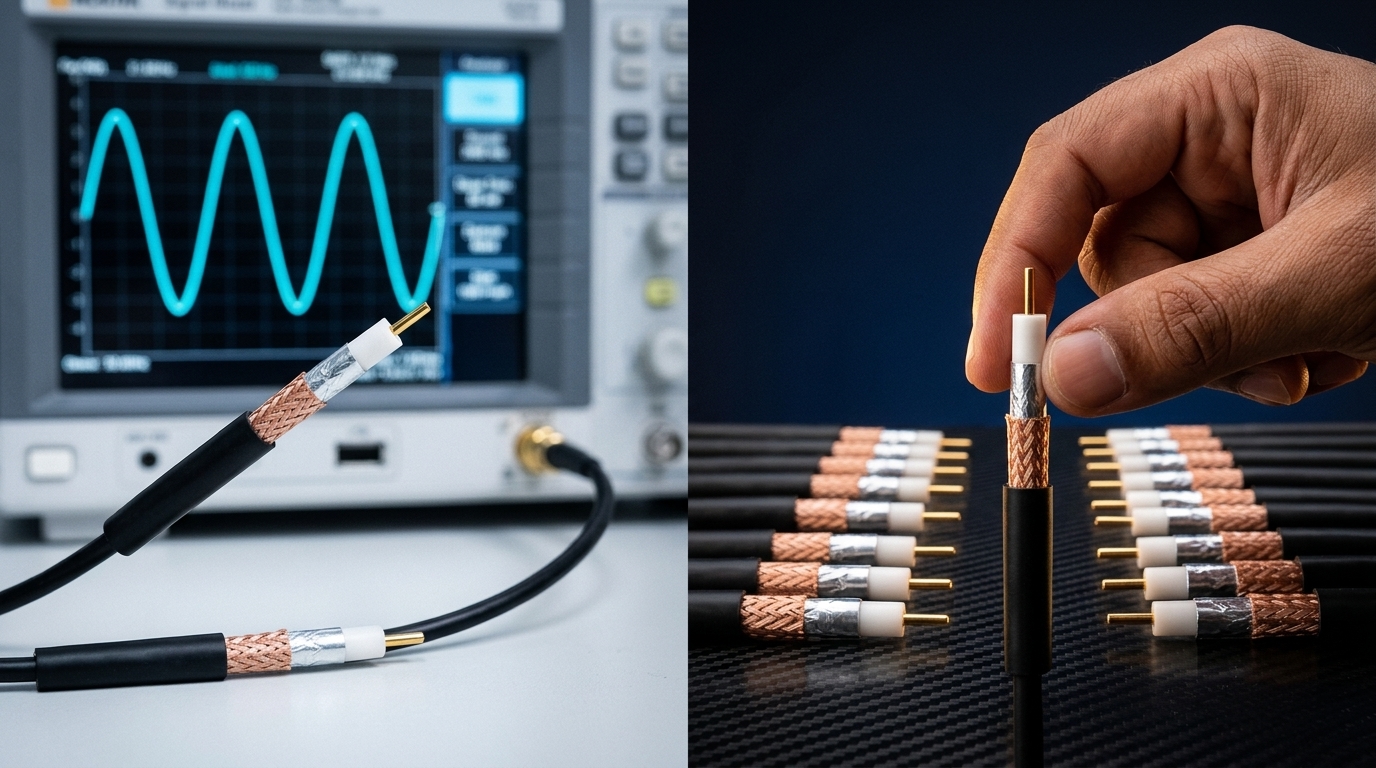
Transitioning from prototype to production comes with its challenges. To ensure repeatability and reliability, consider these critical factors.
Importance of Build Consistency
Build consistency is vital when moving from prototype to production. A prototype might work well in initial tests, but consistent manufacturing is key to maintaining performance across multiple units. Variability in build quality can lead to inconsistencies in performance, impacting signal integrity. This consistency ensures that each unit meets the required standards and functions as intended in real-world applications.
Geometry-Controlled Performance Factors
Controlling performance through geometry involves more than theoretical design. It’s about ensuring every cable produced aligns with the intended specifications. For example, micro-coax assemblies rely heavily on precise geometry for optimal performance. By maintaining strict geometry controls, you ensure that each cable delivers consistent performance, reducing the risk of performance degradation over time.
Manufacturing Repeatability Challenges
Achieving manufacturing repeatability is not without its hurdles. Factors such as material quality, production processes, and quality control measures play significant roles. Consistency in these areas ensures that each interconnect maintains the expected level of performance. It’s crucial to address these challenges early in the production process to avoid late-stage issues that could impede deployment readiness.
Performance Readiness in Real Deployments
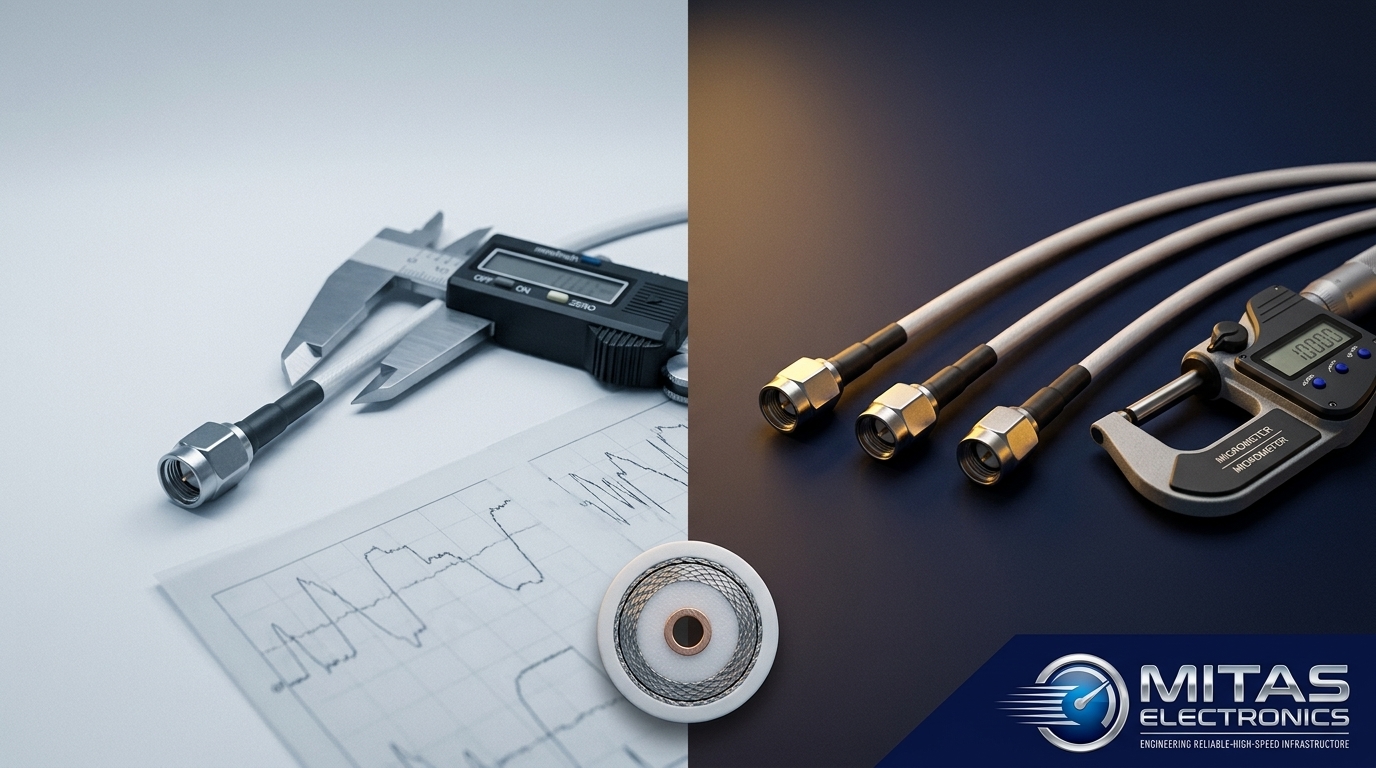
Ensuring that high-speed interconnects are ready for deployment requires careful attention to several key elements.
Signal Integrity and Timing Budget
Signal integrity is a cornerstone of high-speed interconnect performance. Ensuring that signals maintain their quality over distance is crucial. This involves managing timing budgets effectively to prevent issues like signal degradation and data loss. Implementing robust strategies for signal integrity can safeguard system reliability and performance.
High-Speed Interconnect Deployment Readiness
Deployment readiness means more than just having a functional prototype. It involves ensuring that the interconnects can withstand real-world conditions. This includes factors such as temperature variations, physical stress, and electromagnetic interference. Using AI infrastructure cabling that supports these conditions is essential for successful deployment.
Impedance Control and Cable Assembly Tolerance
Impedance control is crucial for maintaining signal quality. Deviations in impedance can lead to signal reflections, impacting overall system performance. Ensuring that cable assemblies adhere to strict tolerance levels can mitigate these issues. This precision in manufacturing and assembly is key to maintaining the integrity of high-speed interconnects throughout their lifecycle.
Frequently Asked Questions
What is the speed of sound in cables?
The speed of sound in cables refers to the propagation velocity of signals through the cable. It is affected by factors such as the cable’s dielectric constant and geometry, impacting how quickly signals travel.
How does geometry affect cable performance?
Cable geometry influences performance by affecting impedance and signal integrity. Variations in geometry can lead to performance inconsistencies, making it crucial to maintain precise geometry in manufacturing.
Why is build consistency important in production?
Build consistency ensures that each unit produced meets the required specifications and performs reliably. Inconsistencies in build quality can lead to performance variations, impacting system reliability.
What challenges are faced in manufacturing repeatability?
Manufacturing repeatability challenges include maintaining material quality, consistent production processes, and effective quality control measures. Addressing these early helps ensure consistent performance across all units.
How is signal integrity maintained in high-speed interconnects?
Signal integrity is maintained through careful management of timing budgets, impedance control, and using materials that support quality signal transmission. These elements ensure that signals remain intact over distance, preserving system reliability.