
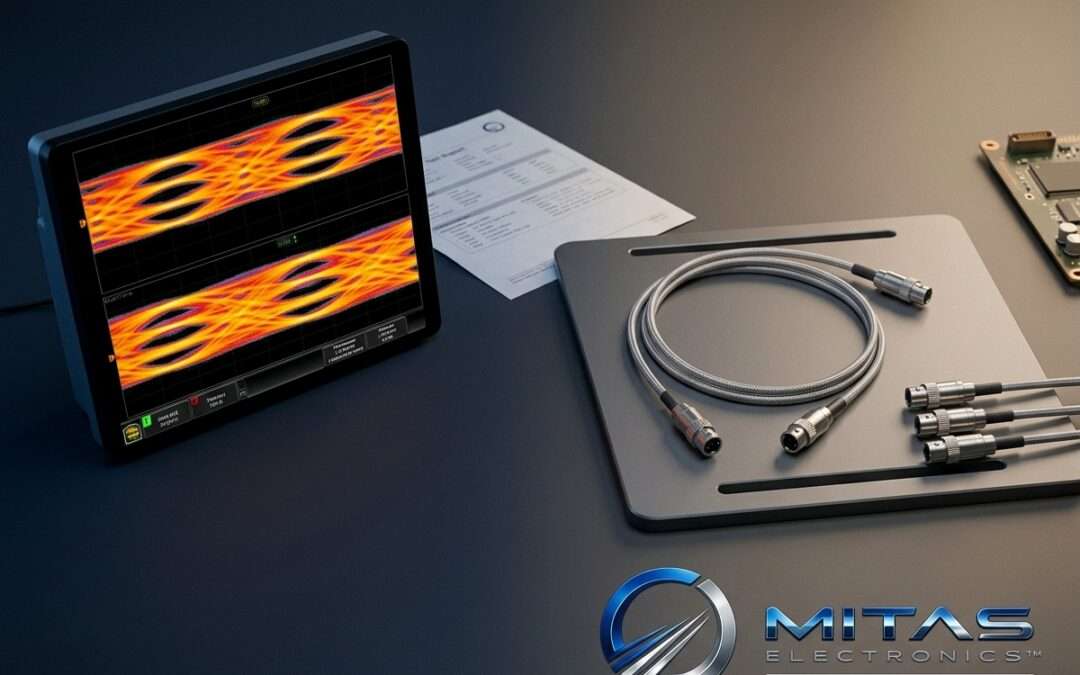
An Ookla speed test can show your link is moving data fast, but that’s just the start. Your high-speed interconnect might pass the test today and still fail when faced with the demands of full-scale deployment. The real challenge lies in ensuring signal integrity, production repeatability, and supply chain discipline hold steady beyond the lab. Here’s why relying on speedtest results alone leaves critical risks unchecked—and how Mitas helps you bridge the gap from prototype validation to deployment readiness. Learn more about speedtest methodology.
The Limits of Speedtest Results
Even the best Ookla speed test results can’t guarantee your interconnects are ready for deployment. While they show data is moving fast, there’s much more to consider. Let’s explore.
Understanding Ookla Speed Test
The Ookla speed test is a popular tool for measuring internet speed. It provides quick insights into network throughput by testing upload and download speeds. While useful, it only scratches the surface of what your system needs for deployment.
Real-world scenarios demand more than just fast data transfer. They require reliability under various conditions. So, while speed tests can confirm a fast link, they don’t ensure stability when the system faces real-world challenges.
Beyond Network Throughput Test
What happens beyond confirming data speeds? Speed tests don’t delve into the complexities of signal integrity or insertion loss. These factors directly impact the performance of high-speed interconnects in demanding environments.
Consider a scenario: A prototype passes initial tests but struggles when scaled up. This highlights the need for thorough validation beyond speed tests. It’s crucial to understand how your system behaves under different loads and environments.
What Speed Tests Miss
Speed tests often miss critical areas like production repeatability and supply chain continuity. These elements are vital for ensuring your system performs reliably over time. A single test doesn’t account for potential variations in manufacturing or sourcing.
A passing speed test might look promising, but it doesn’t confirm long-term reliability. It’s essential to focus on factors that affect performance consistency, especially when scaling from prototype to production.
Key Factors for Deployment Readiness
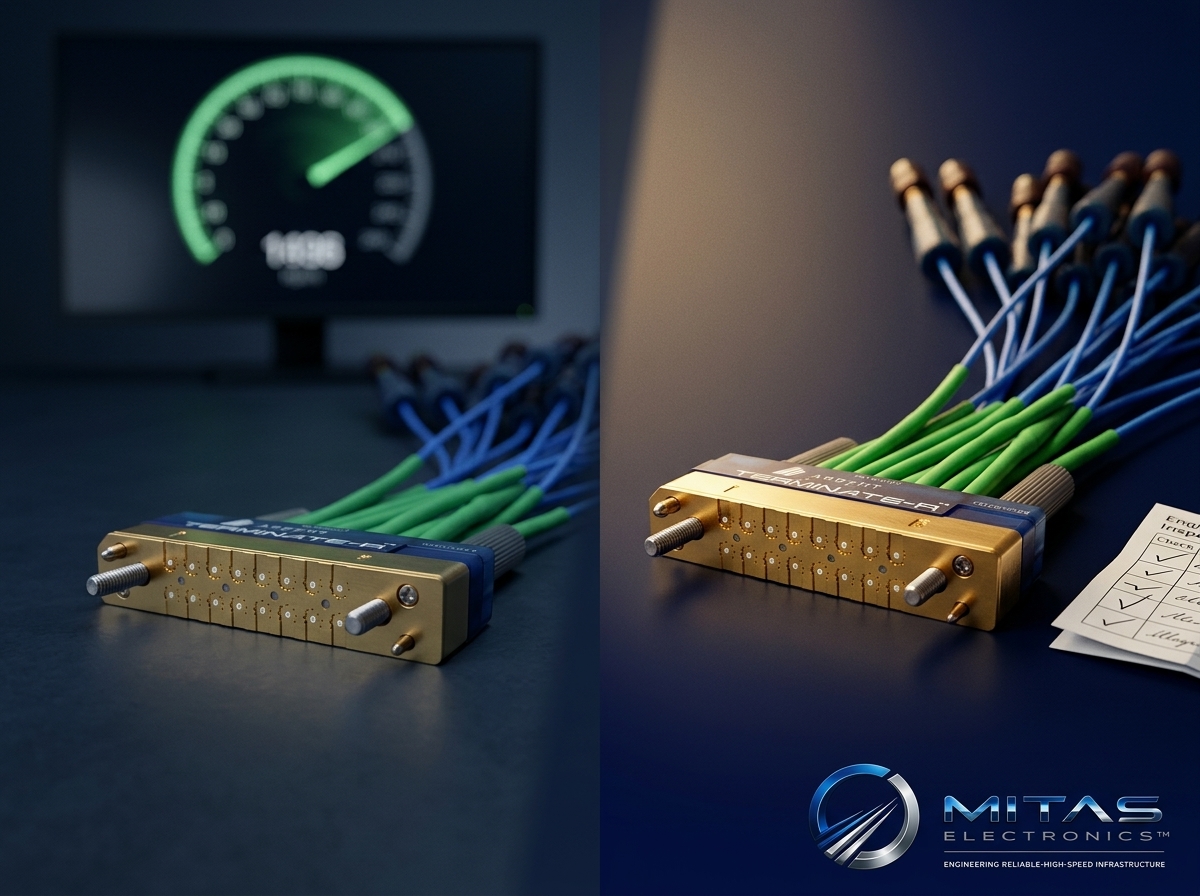
Transitioning from a good speed test to a reliable deployment requires attention to several key factors. Let’s delve into what truly matters for ensuring your interconnects are deployment-ready.
Signal Integrity and Insertion Loss
Signal integrity is crucial for maintaining data quality. Factors like insertion loss and return loss can degrade performance. It’s essential to minimize these losses to ensure clear signals across your system.
Imagine a high-speed cable with low signal loss. This ensures data travels efficiently, maintaining quality across distances. By focusing on signal integrity, you reduce errors and improve overall system performance.
Importance of Production Repeatability
Production repeatability ensures that each manufactured unit performs consistently. Variations in assembly can lead to performance discrepancies. Ensuring repeatability minimizes these risks.
Consider two batches of cables: One performs well, while the other doesn’t. This highlights the importance of consistent manufacturing processes. By maintaining repeatability, you ensure each product meets performance standards.
Design for Manufacturability Insights
Design for manufacturability (DFM) is about creating designs that are easy to produce. It involves considering factors like material selection and production techniques. Effective DFM reduces costs and improves efficiency.
Think about a design that’s easy to manufacture: It streamlines production and maintains quality across batches. By focusing on DFM, you ensure your designs are both functional and practical for large-scale production.
Achieving Reliable Interconnects
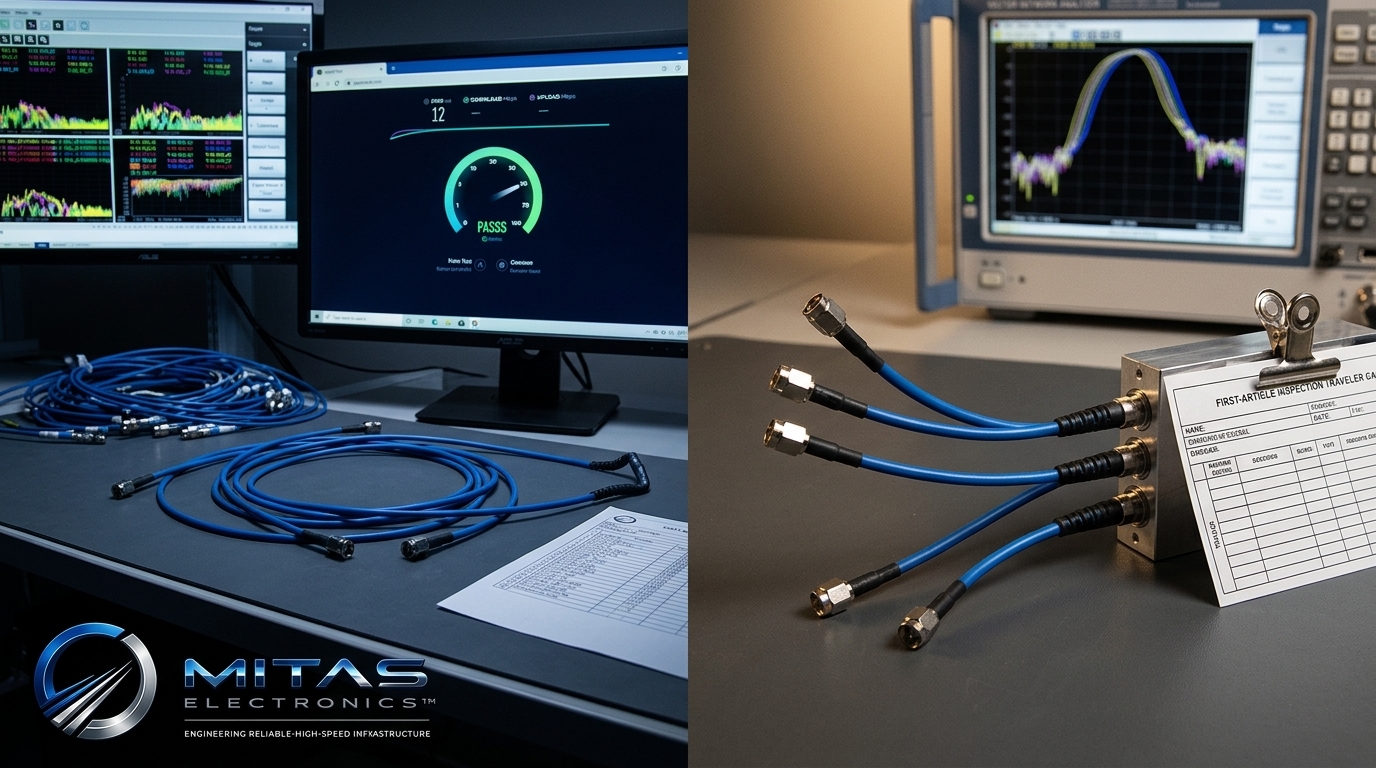
Moving from prototype to production requires careful planning. Here’s how to ensure your interconnects remain reliable at scale.
From Prototype to Production
Taking a prototype to production involves more than just scaling up. It’s about ensuring the design is robust enough for long-term use. Transitioning smoothly requires careful attention to manufacturing and design processes.
Imagine a well-planned transition that maintains quality and performance from start to finish. By focusing on the right factors, you ensure your product is ready for the demands of real-world deployment.
Ensuring Manufacturing Discipline
Manufacturing discipline means adhering to strict processes and standards. This ensures each product meets quality requirements. Consistency in manufacturing leads to reliable performance in the field.
Consider a disciplined manufacturing process: It reduces errors and ensures each product is up to standard. By maintaining discipline, you ensure your products perform reliably, even under pressure.
Supply Chain Continuity Essentials
Supply chain continuity is crucial for uninterrupted production. It involves managing risks and ensuring a steady flow of materials. A robust supply chain supports consistent production, even in challenging conditions.
Imagine a supply chain that adapts to changes without disrupting production. By focusing on continuity, you ensure your system remains reliable, regardless of external factors.
Frequently Asked Questions
What does an Ookla speed test measure?
An Ookla speed test measures internet speed, including upload and download rates. It provides a snapshot of network throughput but doesn’t assess factors like signal integrity or long-term reliability.
Is signal integrity important for high-speed interconnects?
Yes, signal integrity is crucial. It ensures data quality by minimizing losses like insertion loss and return loss. Maintaining signal integrity is essential for reliable performance.
How can I ensure production repeatability?
Production repeatability ensures consistent performance across batches. This involves maintaining strict manufacturing processes and standards to minimize variations in assembly or production.
What is design for manufacturability (DFM)?
DFM focuses on creating designs that are easy to produce. It considers factors like material selection and production techniques to reduce costs and improve efficiency.
Why is supply chain continuity important?
Supply chain continuity ensures a steady flow of materials, supporting uninterrupted production. It involves managing risks and adapting to changes to maintain consistent manufacturing.