
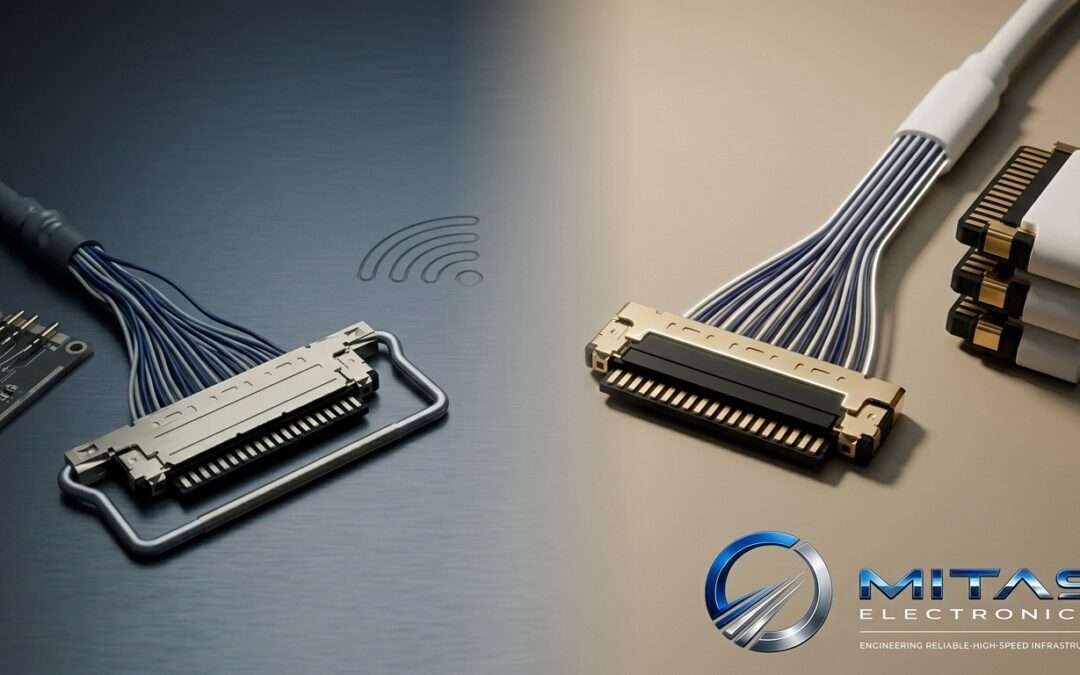
WiFi speed often shines in the lab but falters once production begins. Your interconnect infrastructure decides if that speed stays consistent when volume, assembly, and sourcing challenges appear. Signal integrity, repeatability, and deployment continuity aren’t optional—they’re essential from the start. This post breaks down where performance risks hide as systems scale, giving you a clear view of what must hold steady to keep WiFi speed stable beyond prototype success. For more insights on WiFi deployment, explore this resource on Wi-Fi design best practices.
Understanding Interconnect Infrastructure
For WiFi speed to hold up in production, the interconnect infrastructure behind it has to be robust and designed to preserve signal integrity. This includes critical components such as RF coax assemblies and antenna feedlines, which are essential in maintaining the necessary impedance control and minimizing return loss and insertion loss. When scaling up to production, factors like bend radius and connector torque become significant in ensuring performance isn’t compromised. As systems move from prototype to full deployment, the nuanced aspects of cable routing and EMI shielding gain importance.
Explore more on fiber optic cable types to understand what survives deployment, not just prototyping.
Scaling Challenges in WiFi Deployment
In high-speed programs, the first build can look clean in the lab, while later builds expose variation in assembly, routing, or sourcing. This often changes performance at scale, underscoring the need for production readiness. The design should account for manufacturing repeatability and supply chain continuity. It is crucial to ensure that components like UFL connectors and MIMO configurations align with the demands of WiFi 6E and WiFi 7 standards.
One might think a speed test is sufficient to confirm readiness, but speed tests are merely prototype checkpoints, not green lights for full-scale deployment.
Ensuring Signal Integrity at Scale
Signal integrity issues such as VSWR, S-parameters, and return loss must be addressed in the design phase. Maintaining OTA throughput and managing insertion loss are vital for a seamless transition from the lab to production. A disciplined approach to deployment ensures that the WiFi speed demonstrated in the lab translates into operational environments without degradation.
For further reading, consider how internet speed tests serve as prototype checkpoints, guiding the path to production readiness.
Conclusion
Achieving reliable WiFi speed in production requires a comprehensive understanding of interconnect infrastructure. The transition from prototype to deployment demands a commitment to signal integrity and operational continuity. With Mitas Electronics’ expertise in high-speed interconnect solutions, your systems can achieve the deployment confidence necessary for future-ready WiFi-enabled products.
Schedule a 30-minute Interconnect Readiness Review to assess whether your WiFi path—cables, connectors, routing, and test coverage—will preserve speed at scale.
Understanding the Interconnect Path
The bridge from laboratory success to production viability depends on the interconnect path. When WiFi systems scale, maintaining integrity becomes crucial.
Signal Integrity and WiFi Speed
Signal integrity is key to WiFi speed. If signals degrade, speed drops. Designing with integrity in mind keeps WiFi fast. You need to consider how RF coax assemblies and antenna feedlines handle signals. Each component affects speed. Proper design ensures signals stay strong. This includes using quality materials and precise manufacturing techniques. Impedance control and VSWR are vital. They prevent signal loss and maintain speed. These controls keep signals from reflecting back, which can slow things down. By maintaining impedance and minimizing VSWR, you ensure your WiFi performs consistently.
Learn more about why choosing the right fiber optic cable types matters.
Challenges in Production Readiness
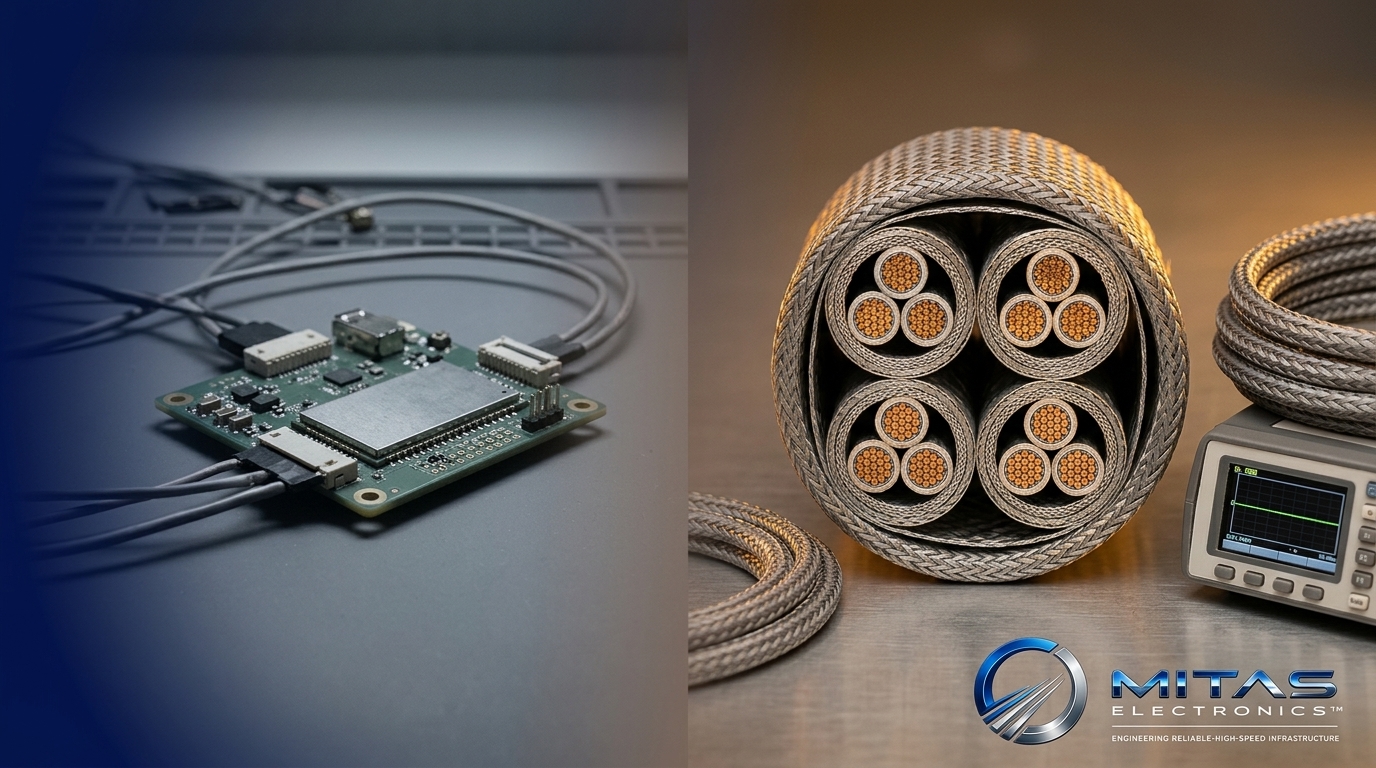
Production introduces new challenges. It’s not just about making one unit. It’s about repeatability and reliability.
Manufacturing Repeatability and Supply Chain Continuity
To maintain speed, manufacturing must be repeatable. This means each unit performs the same. Consistent processes ensure this. Supply chain continuity is also essential. Disruptions can delay production. Building a resilient supply chain keeps things moving. This involves having multiple suppliers and robust logistics.
Design for Manufacturability and Connector Torque
Design impacts manufacturability. Easy-to-manufacture designs reduce errors. Connector torque also matters. It affects the connection’s strength and reliability. Proper torque ensures connections don’t loosen or break. This keeps your system stable and fast.
Production Test and Cable Routing Considerations
Testing in production is vital. It confirms systems work as expected. Cable routing is another factor. Poor routing can lead to interference. Thoughtful routing avoids these issues.
Maintaining Performance in Full Deployment
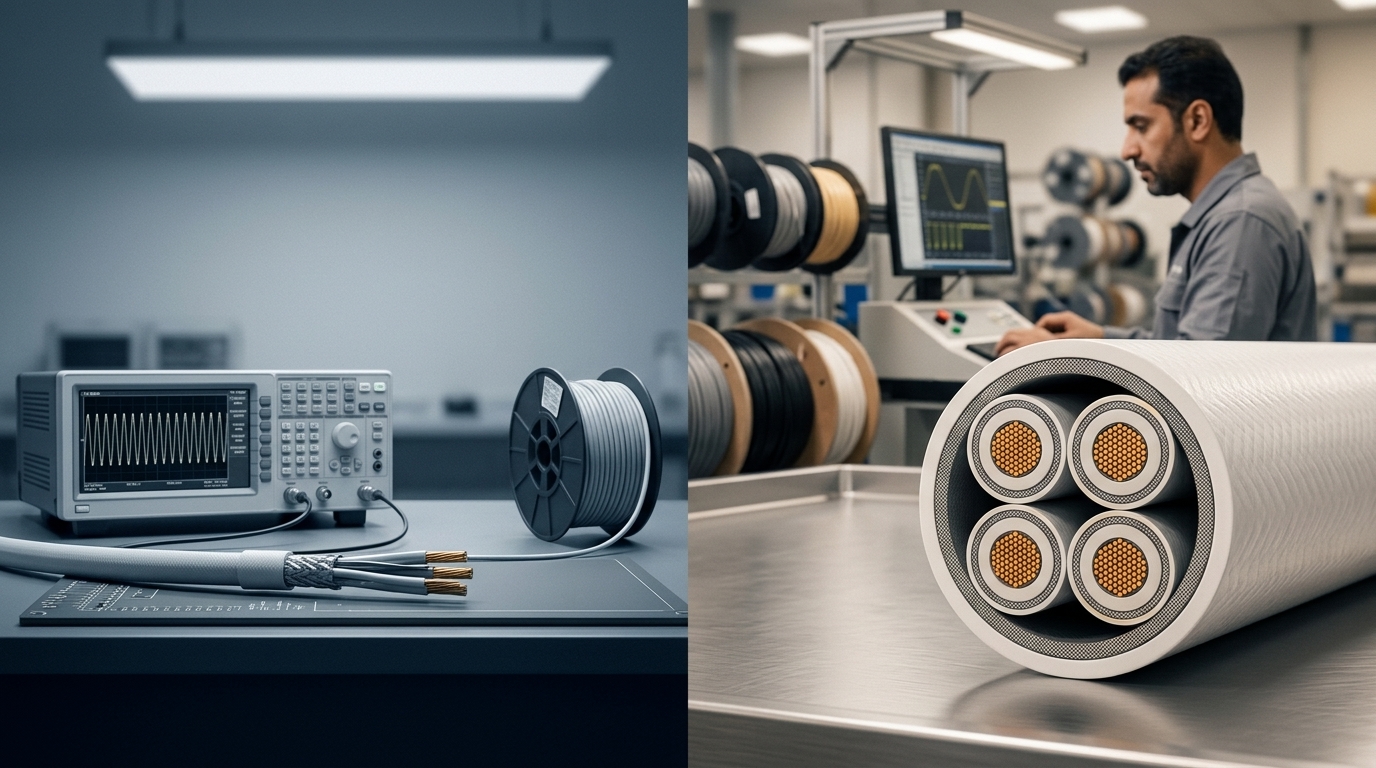
Deployment is the final step. Here, maintaining performance is crucial.
Importance of EMI Shielding and Bend Radius
EMI shielding protects signals from interference. Without it, speed can suffer. Ensuring proper shielding is crucial. Bend radius also matters. Tight bends can damage cables and affect signals. Proper bend radius maintains performance.
Influence of S-parameters and Insertion Loss
S-parameters measure how signals travel through a system. Managing them ensures minimal loss. Insertion loss must be controlled. It reduces signal strength, affecting speed. Keeping insertion loss low maintains performance.
Ensuring OTA Throughput and MIMO Compatibility
OTA throughput measures data transmission over the air. High throughput means faster speeds. Ensuring compatibility with MIMO technology boosts performance. MIMO uses multiple antennas to improve speed and reliability. Properly designing for MIMO ensures your system takes full advantage of its benefits.
For more insights on optimizing WiFi performance, explore best practices for high-density areas.
Frequently Asked Questions
What is signal integrity, and why is it important for WiFi speed?
Signal integrity ensures that data is transmitted without degradation. It’s crucial for maintaining WiFi speed, as poor integrity can lead to slower data rates and unreliable connections.
How does manufacturing repeatability affect production?
Manufacturing repeatability ensures that each product performs consistently, reducing errors and maintaining quality across production runs. This is vital for reliable WiFi performance in large-scale deployment.
Why is EMI shielding necessary?
EMI shielding prevents external electromagnetic interference from affecting signal quality. Without it, WiFi systems can experience reduced speeds and increased errors.
What role does connector torque play in system performance?
Connector torque ensures connections remain secure under stress. Proper torque prevents loosened connections, maintaining reliability and speed in WiFi systems.
How can S-parameters and insertion loss impact WiFi deployment?
S-parameters and insertion loss measure how signals travel through a system. Managing these factors ensures strong signal transmission, minimizing speed loss during deployment.